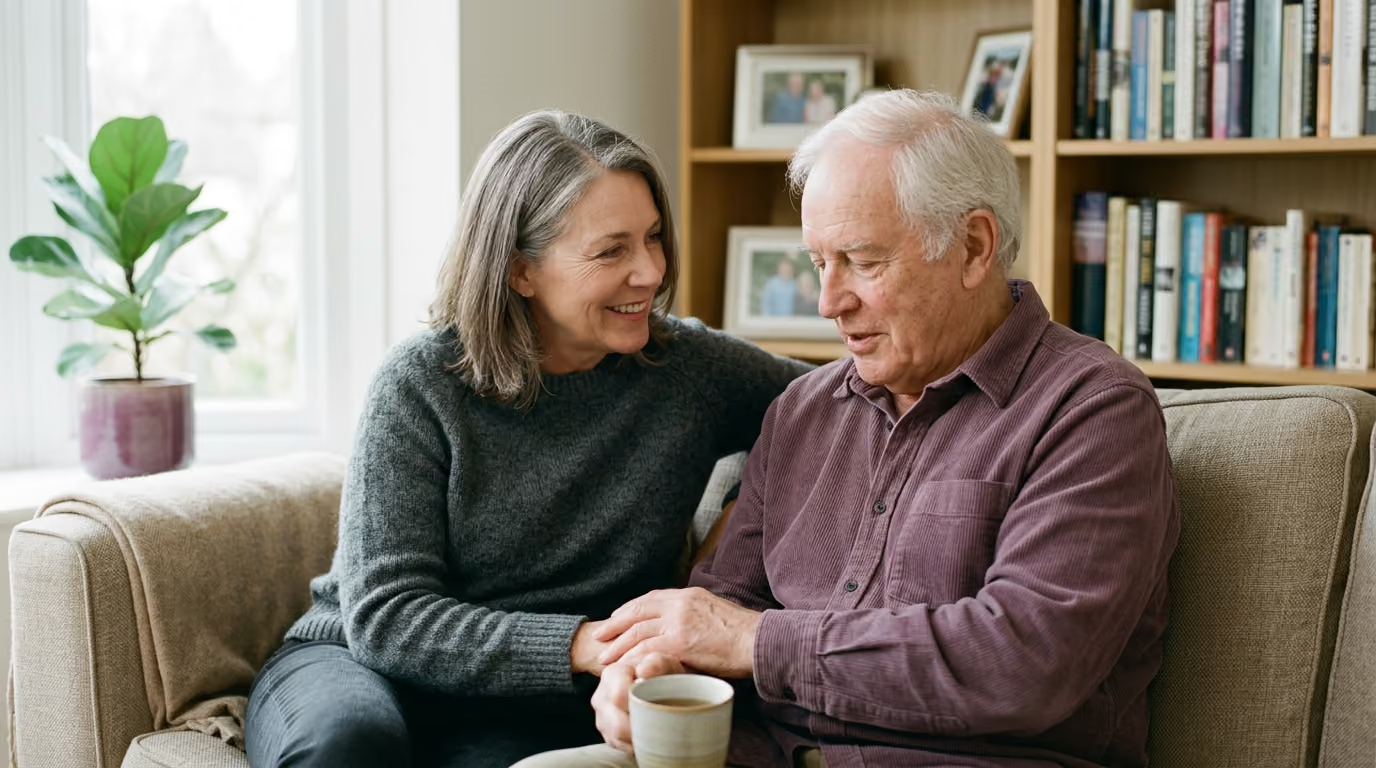

Aging adults experiencing shifts in mood, physical health, or intimacy can use this evidence-informed guide to navigate changes in sexual wellbeing and emotional connection.





Consider a familiar scenario. A couple in their early sixties notices that their physical connection has quietly stalled over the past year. One partner has been managing low energy, persistent sadness, and poor sleep following a career transition. The other partner wonders privately if physical attraction has faded, feeling hesitant to bring up intimacy for fear of creating guilt. Neither person has spoken openly about the shift. Both assume that declining interest is simply an unavoidable consequence of getting older.
This experience is common, yet the conclusion is rarely accurate. Sexual wellbeing in midlife and later adulthood is not governed by chronological age alone. It reflects a continuous interaction between biological health, psychological state, social context, and relationship dynamics. When emotional challenges such as depression, anxiety, grief, trauma, or cognitive changes arise, they inevitably influence how people experience physical closeness. Understanding these connections helps separate natural adaptations from treatable distress, giving individuals and couples practical clarity.
Sexual wellbeing later in life is best understood through a biopsychosocial perspective. This approach recognizes that physical biology, emotional health, social environments, and personal relationships constantly shape one another. A change in one domain almost always influences the others.
The relationship between psychological health and sexual function is distinctly bidirectional. Persistent low mood or chronic worry can reduce sexual interest, hinder arousal, and make physical satisfaction harder to reach. At the same time, developing a sexual difficulty can provoke frustration, erode self-esteem, and trigger depressive symptoms or anxiety. When evaluating intimacy concerns, professionals examine both psychological health and sexual function rather than assuming one is merely a byproduct of the other.
It is equally important to distinguish between a benign change and a clinical problem. As people age, physical responses may naturally slow down, requiring more time, direct stimulation, or communication. A shift in desire, frequency, or physical response is not automatically a medical dysfunction. A true concern exists when a change causes personal distress, creates safety issues, strains a relationship, or conflicts with an individual's personal values and goals.
Sexuality in mature adulthood also encompasses far more than penetrative intercourse or firm erections. A healthy intimate life may involve affectionate touch, kissing, sensual massage, mutual masturbation, oral intimacy, or shared emotional closeness. When intimacy is defined solely by performance markers, psychological pressure increases. Broadening this definition allows adults to maintain meaningful physical and emotional connections across every stage of sexual wellbeing as people grow older.
Depression affects the body and mind in ways that directly alter sexual response. At a neurobiological level, depression alters neurotransmitter pathways involved in motivation, reward, and pleasure. On an emotional level, it depletes physical energy, diminishes self-worth, and dampens the capacity to feel anticipation. An older adult experiencing depression may not feel active aversion toward sex, but rather an overwhelming apathy or fatigue that leaves little space for physical connection.
Syntheses of clinical evidence, such as findings from international consultations on sexual medicine, estimate that depressive symptoms affect approximately 30 percent of older populations. These clinical reviews note that significant depressive symptoms are associated with a twofold increase in the risk of erectile dysfunction among men. In both men and women, depression is consistently linked to lower desire, reduced arousal, difficulties reaching orgasm, decreased sexual activity, and lower overall satisfaction.
Anxiety disorders, estimated to affect around 14 percent of older adults, present distinct barriers to intimacy. When anxiety is present, the sympathetic nervous system remains activated in a fight-or-flight state. Sexual arousal, by contrast, requires the parasympathetic nervous system to encourage relaxation and blood flow. A person experiencing chronic worry often struggles to remain mentally present during intimate moments.
Anxiety in later life often manifests as performance anxiety, fear of failing a partner, or worry that physical exertion might trigger heart palpitations or panic symptoms. Large population studies, including research on older adults aged 57 to 85, demonstrate clear associations between anxiety and reported sexual difficulties. In these observational studies, anxiety was associated with a lack of sexual interest in both women and men, as well as higher rates of orgasm difficulties and reduced sexual pleasure among women. These findings highlight correlation rather than direct causation, but they show how emotional tension interferes with physical ease.
When intimacy triggers anxiety, many adults cope by avoiding physical closeness altogether. While avoidance provides short-term relief from discomfort, it reinforces anxiety over time and can leave underlying relationship concerns unaddressed. Recognizing how anxiety influences mental confidence and sexual performance is an essential step toward restoring comfort.
Later-life sexual wellbeing cannot be separated from physical health and medical treatments. Older adults frequently manage chronic conditions such as cardiovascular disease, hypertension, type 2 diabetes, arthritis, and sleep apnea. Each of these conditions can influence nerve function, blood circulation, joint mobility, and daytime energy levels, which all play a role in sexual comfort.
Medication use expands significantly in midlife and older adulthood. When reviewing intimacy changes, it is essential to evaluate potential side effects from prescribed drugs. Several common medication classes can influence sexual response:
Antidepressants present a particular clinical nuance because both depression itself and its pharmacological treatment can alter sexual function. While selective serotonin reuptake inhibitors are effective for stabilizing mood, they are frequently associated with diminished libido, delayed ejaculation, erectile difficulties, or difficulty achieving orgasm. The likelihood and severity of these effects vary considerably from person to person.
Patients should never discontinue or reduce prescribed medications independently. Abruptly stopping an antidepressant can lead to withdrawal symptoms or a rapid return of depressive illness. When side effects interfere with quality of life, clinicians can review the timing of symptoms, evaluate overall health, and consider evidence-based adjustments. In many cases, prescribers can adjust the dose, schedule medication differently, or transition to an alternative medication with a lower incidence of sexual side effects.
Physical pain and sensory changes also warrant thoughtful management during physical and emotional changes in midlife. Chronic joint pain, back stiffness, or vaginal tissue thinning from hormonal shifts can make certain positions uncomfortable. Addressing physical comfort through position modifications, supportive pillows, adequate lubrication, and proper medical care helps ensure that physical discomfort does not compound emotional distress.
Bereavement is one of the most profound transitions experienced in later adulthood. The death of a long-term spouse or partner alters emotional security, daily routines, social identity, and physical closeness. Alongside general mourning, surviving partners often experience what clinicians term sexual bereavement.
Sexual bereavement refers to the complex grief, guilt, and involuntary abstinence that follow the loss of an intimate partner. This experience involves more than the loss of sexual activity. It encompasses the absence of everyday touch, cuddling, holding hands, and the deep comfort of being physically known by another person. A surviving partner may miss shared history and physical warmth just as much as physical release.
Research focusing on older women navigating partner illness and loss highlights the reality of these concerns. In studies of women aged 55 and older facing widowhood, nearly three-quarters anticipated missing sexual intimacy after their partner's death, and two-thirds expressed a desire to discuss these feelings openly. While these findings come from specific study cohorts and cannot be generalized to all populations, they show that grief and sexual longing frequently coexist.
People process sexual bereavement in diverse ways:
There is no single correct timeline or outcome for navigating intimacy after significant loss. Feeling desire after a partner dies is not a sign of betrayal, nor is a lack of desire a sign of emotional failure. Giving oneself permission to grieve while honoring personal needs is central to emotional recovery.
Prior life experiences continue to shape sexual wellbeing as adults grow older. Adverse childhood experiences, past physical or emotional trauma, and previous sexual assault can leave lasting imprints on the nervous system. While trauma does not guarantee future intimacy difficulties, international clinical reviews show that prior trauma is associated with lower relationship and sexual satisfaction in later life.
Trauma-informed care emphasizes that individuals maintain total control over their personal boundaries, discussions, and intimate choices. An older adult is never required to disclose past trauma to receive respectful sexual health guidance. Healing and comfort are supported when individuals are empowered to set the pace of any physical activity, pause whenever necessary, and communicate boundaries clearly without fear of judgment.
Body image also evolves across midlife and older adulthood. Normal physiological changes such as skin elasticity shifts, surgical scars, hair loss, weight distribution changes, and reduced muscle tone can influence how people perceive their physical appeal. Navigating illnesses such as cancer, cardiac events, or joint replacement surgeries can further alter how a person relates to their body.
Negative self-perceptions can undermine sexual confidence and lead people to withdraw from physical closeness. These concerns are not restricted to any single gender or background. Men and women alike experience vulnerabilities regarding aging bodies in cultures that disproportionately celebrate youth. Developing self-compassion, focusing on what the body can feel rather than how it looks, and cultivating open communication with a partner helps mitigate body-related distress.
Retirement, shifting family roles, and transitioning into caregiving for an ailing spouse represent additional life stressors. Caregiving, in particular, can profoundly alter intimacy dynamics. When one partner provides primary physical care, bathing, and medication support for the other, shifting into an intimate or romantic mindset can feel emotionally difficult for both individuals. Acknowledging these role tensions helps couples navigate their connection with patience and mutual respect.
Cognitive decline and neurocognitive disorders present sensitive questions regarding intimacy, autonomy, and safety in later life. A diagnosis of mild cognitive impairment or dementia does not automatically erase an individual's emotional desires, need for affection, or capacity for sexual expression. Data from national health and aging surveys indicate that many older adults living with cognitive changes remain sexually active within their relationships.
A critical principle in clinical ethics is that a dementia diagnosis is not a blanket determination of incapacity. Ethical guidance emphasizes balancing protection from exploitation with the individual's right to express consensual affection. Striking this balance requires careful, individualized evaluations rather than sweeping institutional restrictions.
Assessing sexual consent capacity in individuals experiencing cognitive decline involves several clear criteria:
Capacity is not static; it can fluctuate depending on the time of day, medication schedules, fatigue, and the progression of underlying illness. In care facilities or assisted living environments, privacy is often limited, which can complicate normal expressions of intimacy. Care providers and family members must distinguish between benign, consensual affection between consenting adults and situations involving distress, confusion, or vulnerability.
When behavioral changes occur, such as disinhibition or unusual sexual expressions, they warrant a thoughtful medical review. Clinical estimates of inappropriate sexual behaviors in dementia range between 2 and 25 percent across various studies. These behaviors often reflect unmet needs for touch, environmental confusion, urinary tract discomfort, or cognitive disorientation rather than intentional misconduct. Addressing the underlying medical, sensory, or emotional triggers helps protect the individual's dignity while maintaining a safe environment.
Improving sexual wellbeing when navigating mental health or aging challenges involves low-pressure, realistic strategies. The goal is not to achieve flawless physical performance, but to cultivate emotional comfort, reduce anxiety, and align physical intimacy with current abilities.
The PLISSIT model is an established framework used by health professionals that also provides a helpful structure for individuals and couples:
For couples navigating intimacy and relationship shifts, improving communication is often the most effective initial step. Discussing physical closeness outside the bedroom eliminates immediate pressure to perform. Using straightforward, supportive language allows partners to share vulnerabilities without placing blame.
Simple conversational prompts can help initiate these discussions:
Expanding the physical repertoire beyond intercourse is another beneficial step. Focusing on sensual massage, shared baths, kissing, or mutual masturbation reduces performance anxiety and allows both partners to experience pleasure without rigid expectations. Tracking personal patterns can also help identify when mood, pain, or fatigue are lowest during the week, making it easier to plan restful, connected moments. Exploring shifts in desire and arousal from an educational standpoint helps remove personal self-blame.
While lifestyle adaptations and open communication resolve many concerns, professional healthcare guidance is invaluable when difficulties persist. A comprehensive medical and psychological evaluation can identify underlying factors that are difficult to evaluate on one's own.
Consulting a qualified physician, urologist, gynecologist, or mental health clinician is particularly important in several situations:
A thorough clinical assessment typically includes a complete medical history, a review of all current prescription and over-the-counter medications, screening for depression and anxiety, and targeted laboratory evaluations where relevant. Clinicians can check hormone levels, vascular health, and metabolic markers to rule out contributing physical conditions.
When psychological or relationship factors are prominent, working with a licensed marriage and family therapist, clinical psychologist, or certified sex therapist can provide structured support. Therapy provides a secure environment to unpack grief, resolve communication stalemates, process trauma, and learn cognitive-behavioral tools to manage anxiety. Combining thoughtful medical oversight with compassionate psychosexual therapy offers the most effective path toward long-term wellbeing.
Return to this guide whenever you or your partner experience significant health transitions, changes in prescribed medications, periods of profound grief, or shifts in emotional health. Mature sexual wellbeing is an evolving aspect of life that benefits from regular reassessment, open communication, and evidence-informed understanding.
Follow Sexential for thoughtful guidance on desire, sexual function, hormones, confidence, relationships and intimacy. Explore new resources and evidence-aware guidance for sexual wellbeing across adulthood.


Explore practical resources on desire, function, hormones, confidence, intimacy and sexual wellbeing.
Read the Blog