KEEP EXPLORING
Understand what changes, and why
Explore practical resources on desire, function, hormones, confidence, intimacy and sexual wellbeing.
Read the Blog


Canada’s new menopause funding supports research, mental health guidelines and inclusive care resources. Here’s how it relates to sexual wellbeing.


Why menopause-related vaginal, sexual and urinary symptoms go unrecognized, and what research and guidance say about discussing them together.

Learn how vaginal dryness, reduced lubrication, irritation and pain differ, where lubricants and moisturizers fit, and when to seek clinical advice.

Learn how responsive desire differs from spontaneous desire, why timing alone doesn’t signal a problem, and when a change is worth discussing.

Compare spontaneous and responsive desire, with clear context on consent, menopause and when a change in sexual interest may warrant medical advice.
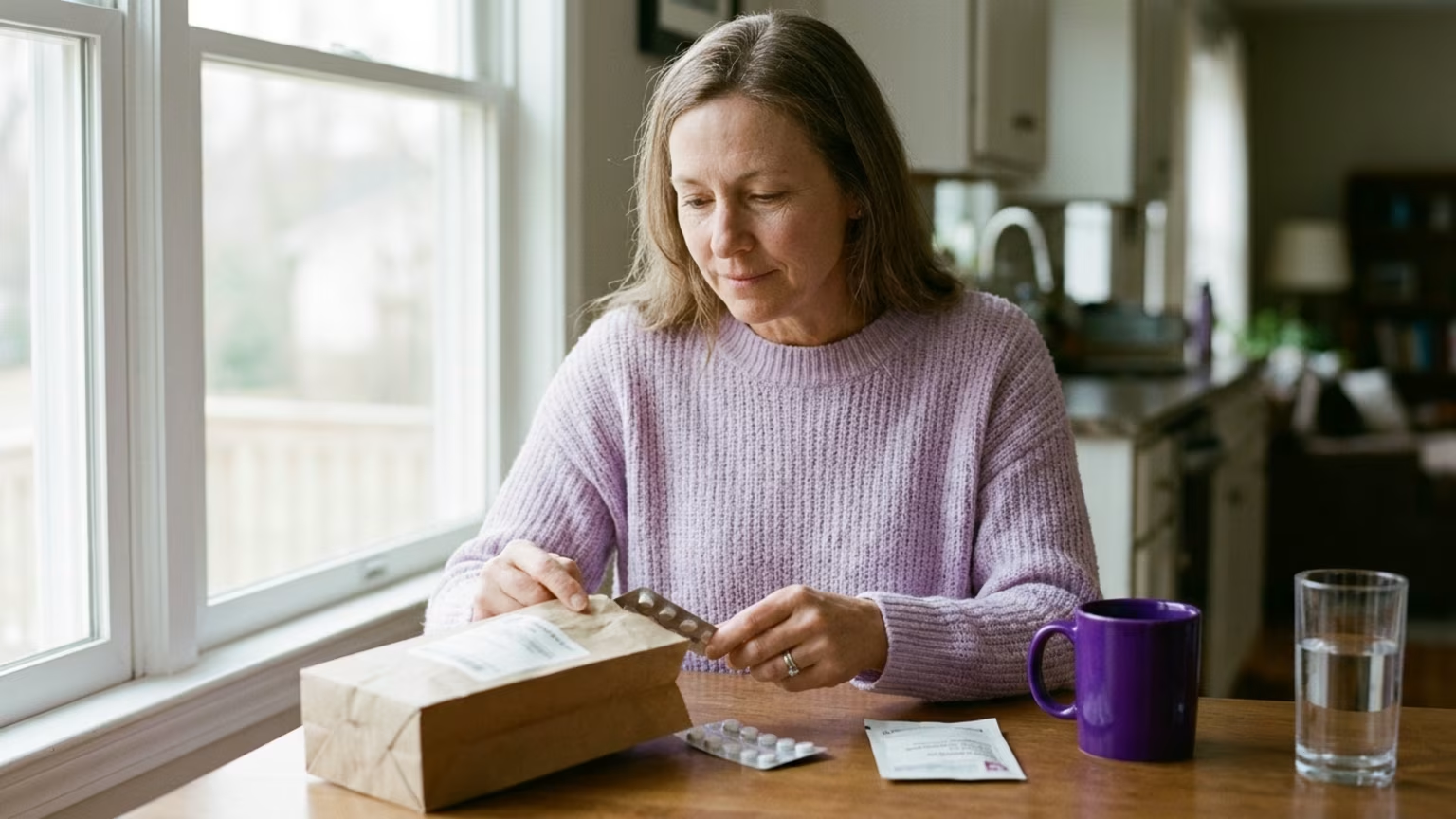
A JAMA study found rising U.S. menopause hormone therapy dispensing. Learn what the figures mean for symptom goals, safety and individual care discussions.

Understand menopause-related vaginal and urinary symptoms, how comfort differs from desire, and when persistent changes deserve medical attention.

Consider midlife desire through comfort, sleep, mood, medication and relationships, with practical questions for a clinician or partner.

A women-focused guide to low desire in midlife, possible influences and preparing a clinician conversation without assuming hormones explain everything.

An Aging Cell study found age-related protein differences in postmenopausal ovaries. Here is how to interpret the findings in a sexual-wellness context.

A global Flo-app survey links activity with lower perimenopause symptom scores. Understand the findings, evidence gaps and sexual-wellbeing context.

An African-led forum put menopause and vaginal health on its research agenda. Here is what the priorities mean, and how they differ from clinical guidance.

A University of Utah profile shows how one menopause practice includes sexual health. Understand the model, evidence limits and questions to ask.

An Asia-Pacific analysis broadens the menopause research agenda to work, pelvic health and access, while leaving questions about sexual wellbeing open.

The Halova trial registry lists 150 participants but no outcome results. Understand its design and relevance to vaginal comfort and sexual wellbeing.

A specialist calls for broader conversations about women’s sexual function, with attention to pain, desire, mental health, trauma and trust.

A closer look at menopause hormone therapy, the WHI breast-cancer figures and why symptom goals and personal history matter to treatment discussions.

A preliminary study linked testosterone use after menopause with cardiovascular events. Understand the findings, evidence gaps and questions for a clinician.
Explore practical resources on desire, function, hormones, confidence, intimacy and sexual wellbeing.
Read the Blog



