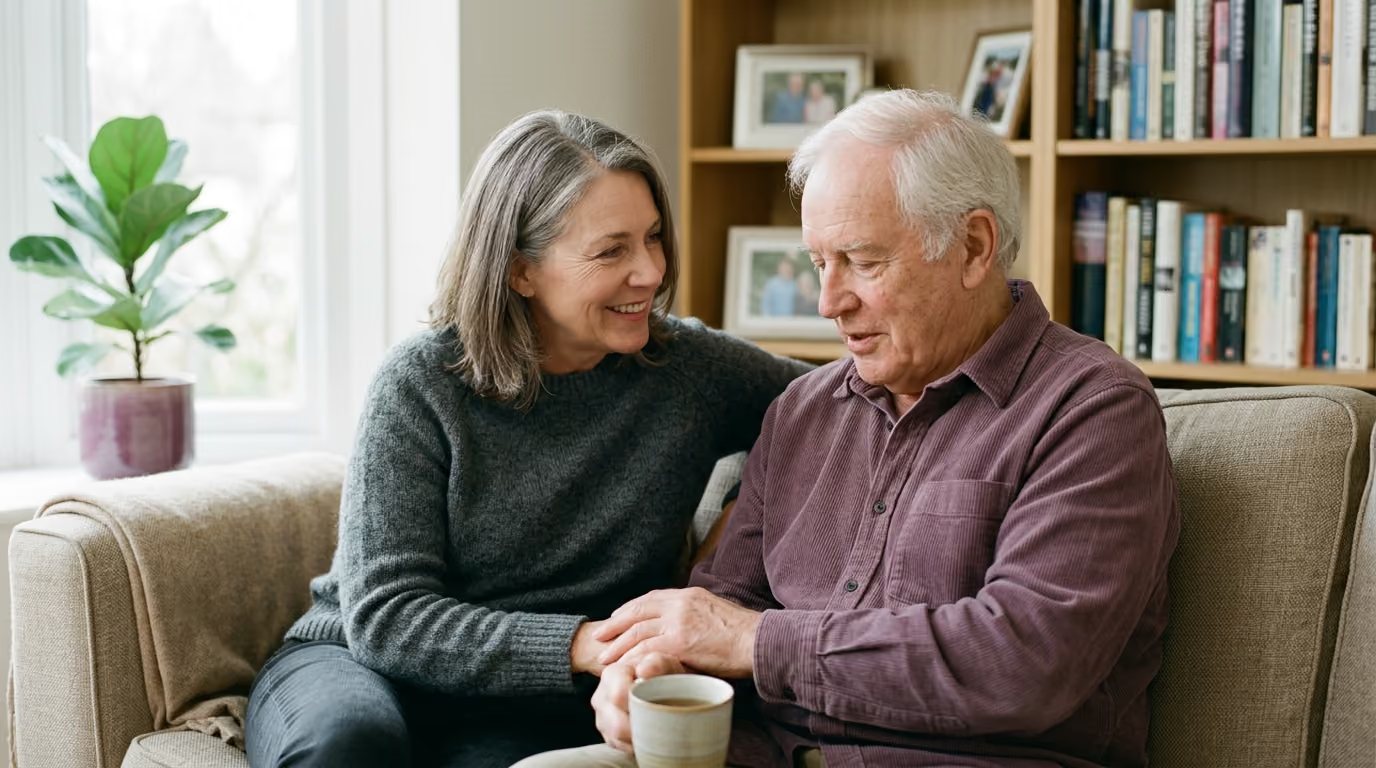

Re-entering the dating world in later life brings unique physical and emotional changes that you can navigate with open communication, confidence, and practical health strategies.





Dating later in life is not a replay of youthful romance, nor is it a simple decline toward quiet companionship. It is a distinct life stage with its own priorities, physical realities, and emotional freedoms. For adults entering the dating world in midlife or beyond, connection often involves balancing a desire for closeness with an established sense of independence.
Sexual wellbeing in later adulthood is defined by your personal values and physical comfort rather than rigid cultural scripts. Meaningful connection does not require a specific frequency of intercourse or a single type of relationship. Some people seek romance, others seek active sexual partnerships, and many look for shared companionship that preserves their personal autonomy.
Navigating intimacy later in life requires clear communication, practical knowledge about physical changes, and realistic expectations. When you approach dating with self-awareness and mutual respect, you can build relationships that fit your current life stage. This guide examines the evidence surrounding later-life intimacy, addresses common physical and emotional shifts, and offers practical steps for modern dating.
Sexual health is often misunderstood as merely the absence of illness or physical difficulty. The World Health Organization defines sexual health as a state of physical, emotional, mental, and social wellbeing in relation to sexuality. It requires a respectful approach to relationships as well as the possibility of pleasurable, safe experiences that are free from coercion, discrimination, and pressure.
Sexual wellbeing is a broader concept that encompasses personal satisfaction, emotional intimacy, physical affection, and cultural attitudes toward aging. In later adulthood, sexual wellbeing is deeply individual. It can include regular sexual activity, gentle physical touch, shared emotional vulnerability, or the conscious decision to enjoy romance without physical intercourse.
A person-led framework allows you to decide what intimacy looks like today. As you move through different decades, your goals, physical capacities, and emotional needs naturally shift. What was fulfilling at thirty may not match what brings satisfaction at sixty. A healthy dating life begins by assessing what you genuinely want from a partner right now.
To clarify your intentions, consider several central questions before beginning a new connection:
Reflecting on these questions prevents you from falling into default relationship patterns that no longer serve you. You can learn more about these emotional dynamics by exploring relationships and intimacy across different life stages.
Popular culture frequently ignores the romantic lives of older adults, creating the false impression that interest in connection disappears with age. Academic research presents a far more nuanced picture. Intimacy remains important to many older adults, though patterns of activity and partnership change over time.
A landmark national study published in the New England Journal of Medicine surveyed 3,005 adults between the ages of 57 and 85. The researchers found that 73 percent of people aged 57 to 64 were sexually active in the previous year. That number was 53 percent among those aged 65 to 74, and 26 percent among those aged 75 to 85. Across all age groups, men were more likely than women to report ongoing sexual activity.
Among those who were sexually active, physical challenges were common. Roughly half of both men and women reported at least one bothersome issue. Women most frequently cited low sexual desire, difficulties with vaginal lubrication, and challenges achieving climax. Men most commonly reported difficulties with obtaining or maintaining an erection.
A separate national poll conducted by the University of Michigan focused on adults aged 65 to 80. It found that 40 percent of respondents were sexually active. While 62 percent of older adults stated they would consult a healthcare provider if they encountered a sexual problem, only 17 percent had actually discussed sexual health with a professional in the past two years.
Research on unmarried older adults also shows diverse dating patterns. An analysis of national survey data on unmarried, non-cohabiting adults aged 57 to 85 found that about 14 percent were in a dating relationship. Dating rates were highest among adults aged 57 to 64 at 18 percent, decreasing to 9 percent among those aged 75 to 85. Men were notably more likely to report an active dating partner than women.
These studies offer valuable context, but they should not be viewed as rigid forecasts for your personal life. Survey data reflects broad group trends from specific time periods rather than individual potential. Understanding the biological aspects of midlife and aging helps normalize physical changes while keeping expectations flexible.
Physical changes are a normal part of aging, but they do not mean an end to physical pleasure. Understanding how your body changes allows you to adapt your approach to intimacy without anxiety or frustration.
For women, the transition through menopause involves a decline in estrogen levels. This hormonal shift often leads to thinner vaginal tissues and reduced natural lubrication. These changes can make intercourse uncomfortable or painful if approached without adequate preparation. Arousal may also take longer, requiring more extended foreplay and direct stimulation.
For men, gradual declines in testosterone and changes in vascular health can alter sexual response. Achieving an erection may take more time and require direct physical contact rather than visual or mental arousal alone. Erections may be less firm than in younger years, and the recovery time between erections naturally lengthens.
Medications also play a substantial role in sexual function later in life. The National Institute on Aging notes that several common prescription classes can influence sexual desire and physical response.
Common medications that may affect sexual response include:
Chronic physical conditions such as arthritis, diabetes, and cardiovascular disease can also impact stamina and comfort. Joint stiffness may require changing physical positions during intimate moments. Vascular conditions can reduce blood flow to pelvic organs in both men and women.
Recognizing these physical realities helps remove self-blame. When a physical response changes, it is rarely a reflection of your attractiveness or your partner's desirability. Adjusting your pace and technique can preserve physical closeness. For deeper insight into long-term vitality, review our resources on sexual longevity and midlife.
One of the unique advantages of dating later in life is the freedom to define your relationship on your own terms. Younger dating often follows a set sequence moving from casual dating to cohabitation, marriage, and raising children. In later life, partners have often already navigated careers, marriages, and family responsibilities.
As a result, older adults often prioritize companionship and emotional support without wanting to merge households or finances. Research highlights several distinct relationship models that thrive in midlife and beyond.
Living Apart Together describes couples who maintain an exclusive, committed romantic relationship while living in separate residences. This model allows both partners to enjoy intimate connection while preserving their personal routines, established homes, and financial autonomy.
For many women, this arrangement is especially appealing because it provides affection without traditional domestic or caregiving burdens. For men, it offers deep companionship while allowing each person to maintain established ties with their adult children and communities.
Some older adults prefer the shared daily life of living together or remarrying. Sharing a home can provide mutual support, ease loneliness, and offer economic efficiencies.
However, cohabitation in later life involves legal and financial considerations. Blending households can affect pensions, healthcare benefits, tax statuses, and estate planning for adult children. Couples choosing this path benefit from clear, transparent conversations about assets and expectations before moving in together.
Not every connection needs to be permanent or deeply entangled. Many adults seek companions for dining, travel, cultural events, and conversation without expectations of exclusivity.
Clarifying your intentions early prevents misunderstandings. A mismatch occurs when one person assumes dating will lead to cohabitation, while the other desires only an occasional social companion. Honest discussions about what you can offer create a solid foundation for mutual respect.
Clear communication is essential when establishing intimacy with a new partner. The World Health Organization emphasizes that healthy sexual interactions must be grounded in mutual consent and respect. Consent is not a single, binding contract made at the start of a date. It is an ongoing, collaborative dialogue about comfort, desires, and limits.
Discussing sexual preferences can feel daunting if you have been out of the dating world for years. However, mature dating provides an opportunity to speak directly and honestly. You do not need to perform or pretend to have the same body you had decades ago.
Practicing respectful communication involves specific habits that keep both partners feeling secure:
Honest dialogue reduces performance anxiety for both partners. When you remove the pressure for an encounter to look a specific way, you open the door to genuine pleasure. To develop these conversational skills, review our guides on couples and communication.
A common misconception among older adults is that safer sex practices are only relevant for preventing pregnancy. Once pregnancy is no longer a concern, many people stop using barrier protection. However, sexually transmitted infections (STIs) can affect individuals at any age.
Data from public health organizations shows that rates of STIs among older adults have risen in recent years. Postmenopausal changes, such as thinner vaginal walls and decreased moisture, can create small tissue tears during intercourse. These micro-tears increase the physiological vulnerability to infections, including chlamydia, gonorrhea, syphilis, and HIV.
The Centers for Disease Control and Prevention (CDC) emphasizes that open discussions about sexual history are vital when beginning a new relationship. Looking healthy is not proof that someone is free of an infection, as many STIs remain asymptomatic for long periods.
Key recommendations for sexual health management include:
Framing these conversations around mutual protection normalizes sexual safety. A partner who respects you will welcome an honest conversation about health and protection.
Re-entering the dating scene after a divorce, bereavement, or long period of singlehood can trigger vulnerability. Bodies change over time, and worries about appearance or physical stamina are completely natural. Building confidence involves shifting your focus away from rigid standards and toward mutual comfort.
Physical closeness does not have to begin or end with intercourse. Kissing, whole-body massage, shared baths, and mutual manual stimulation are deeply satisfying forms of touch. Expanding your repertoire removes the pressure to achieve specific physical outcomes, making intimate moments more relaxing.
If vaginal dryness creates discomfort, practical solutions are readily available. Over-the-counter vaginal moisturizers can be used several times a week to improve overall tissue hydration and elasticity.
During intimate encounters, high-quality water-based or silicone-based lubricants reduce friction and enhance sensation. Keep lubricants accessible near your bedside so using them feels like a natural part of physical intimacy.
Performance anxiety often occurs when people focus on how their body looks or functions rather than how it feels. Pay attention to the warmth of touch, the sound of your partner's voice, and the comfort of the moment.
If an erection fades or arousal slows down, simply pause and shift your focus to other forms of affection. Intimacy should be an enjoyable experience rather than a physical test. You can strengthen your mental approach by reading about sexual confidence and performance.
While many changes in sexual response are normal aspects of aging, persistent discomfort or sudden shifts warrant medical evaluation. Sexual health is a legitimate component of overall healthcare, and medical providers are trained to address these issues.
The national survey by Lindau and colleagues revealed that only 38 percent of men and 22 percent of women had discussed sex with a physician since turning fifty. Many adults assume that sexual difficulties are an inevitable part of aging that must be accepted. In reality, effective treatments exist for many common issues.
You should arrange a consultation with a healthcare provider if you experience any of the following:
Preparing your questions in advance can make clinical discussions easier. A straightforward statement such as, "I have noticed some physical changes that affect my comfort during intimacy, and I would like to discuss treatment options," helps start a productive conversation.
Examining practical examples shows how communication and adaptability resolve common later-life dating challenges. The following scenarios illustrate how adults manage different relationship expectations and physical changes.
Arthur, 68, and Evelyn, 64, met through a community hiking group. After several months of dating, Arthur began discussing moving in together. Evelyn deeply valued their time together, but she cherished her independent home and did not want to manage a shared household again.
Instead of ending the connection, they had a direct conversation about their priorities. Evelyn explained that her desire to live separately did not mean she was uncommitted.
They agreed to a Living Apart Together arrangement, spending weekends together while maintaining their respective homes during the week. This compromise provided closeness while honoring Evelyn's independence.
Robert, 61, and Sarah, 59, began dating after both had been single for years. When their relationship progressed toward physical intimacy, Robert experienced anxiety regarding his ability to sustain an erection.
Rather than withdrawing, Robert shared his concerns with Sarah. Sarah reassured him that she was interested in whole-body closeness and affection, not a flawless physical performance.
Robert scheduled an appointment with his primary care physician to review his blood pressure medication and discuss options for erectile support. By communicating openly, they removed tension from the bedroom and developed a fulfilling physical connection.
Re-entering the dating world after bereavement involves complex emotions. It is common to feel excitement mixed with guilt or grief.
Take your time and avoid comparing new companions to your deceased spouse. Be transparent with your dates about your emotional pace, and only move forward when you feel ready to share your life with someone new.
Adult children may react to your dating life with surprise, protective concern, or worry about family dynamics and inheritances.
Communicate with your children calmly, letting them know that your new relationship brings you happiness while affirming that your care for them remains unchanged. Introduce a new partner gradually once the relationship is established, giving everyone time to adjust.
Desire differences occur in relationships at any age. The key is to discuss these variations without assigning blame or framing either person as flawed.
Identify shared forms of physical affection that you both enjoy, such as cuddling, holding hands, or back massages. A focus on mutual satisfaction and connection helps bridge gaps in physical interest.
Many older adults use treatments for erectile difficulties safely under medical supervision. However, these medications are not suitable for everyone, particularly individuals taking nitrate medications for heart conditions.
Always consult a qualified healthcare provider for a thorough physical evaluation before using any prescription therapies for sexual function.
Follow Sexential for thoughtful guidance on desire, sexual function, hormones, confidence, relationships and intimacy. Explore new resources and evidence-aware guidance for sexual wellbeing across adulthood.


Explore practical resources on desire, function, hormones, confidence, intimacy and sexual wellbeing.
Read the Blog