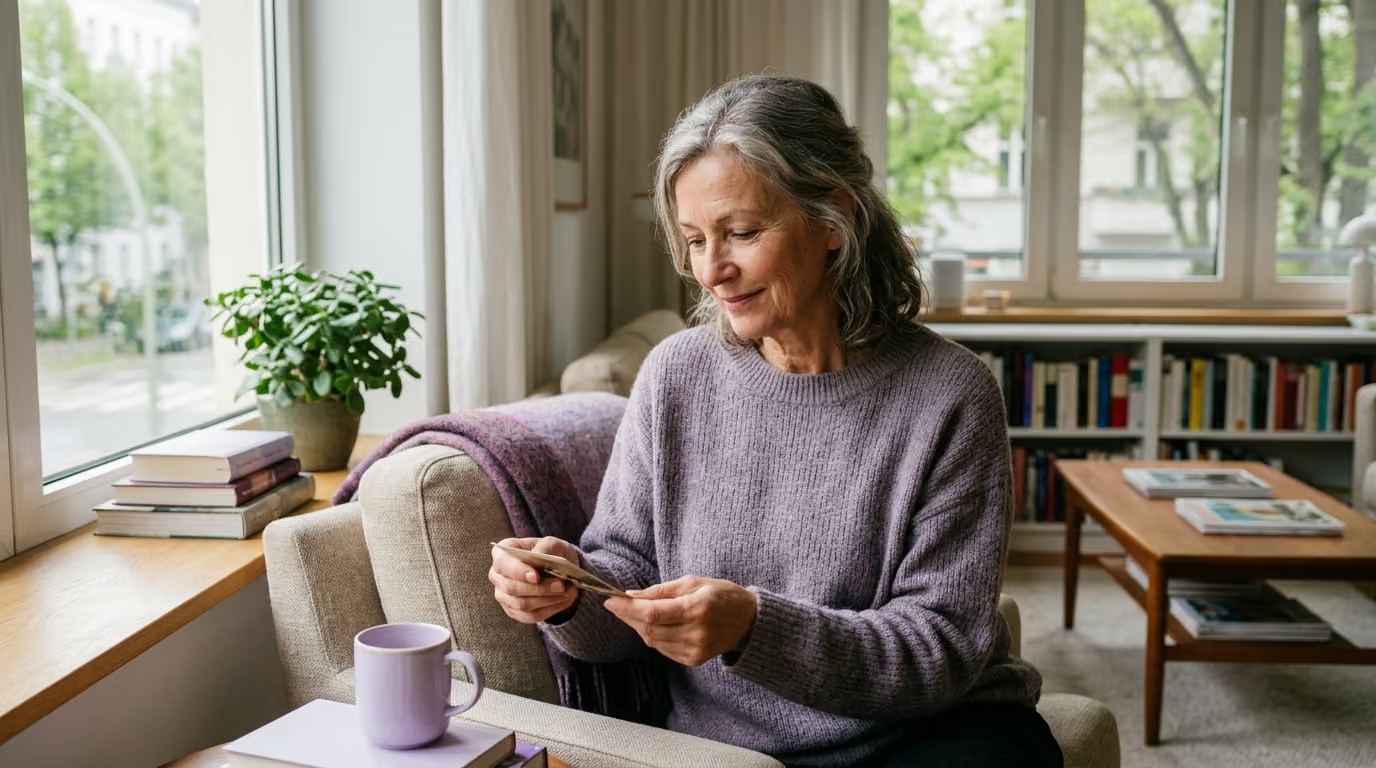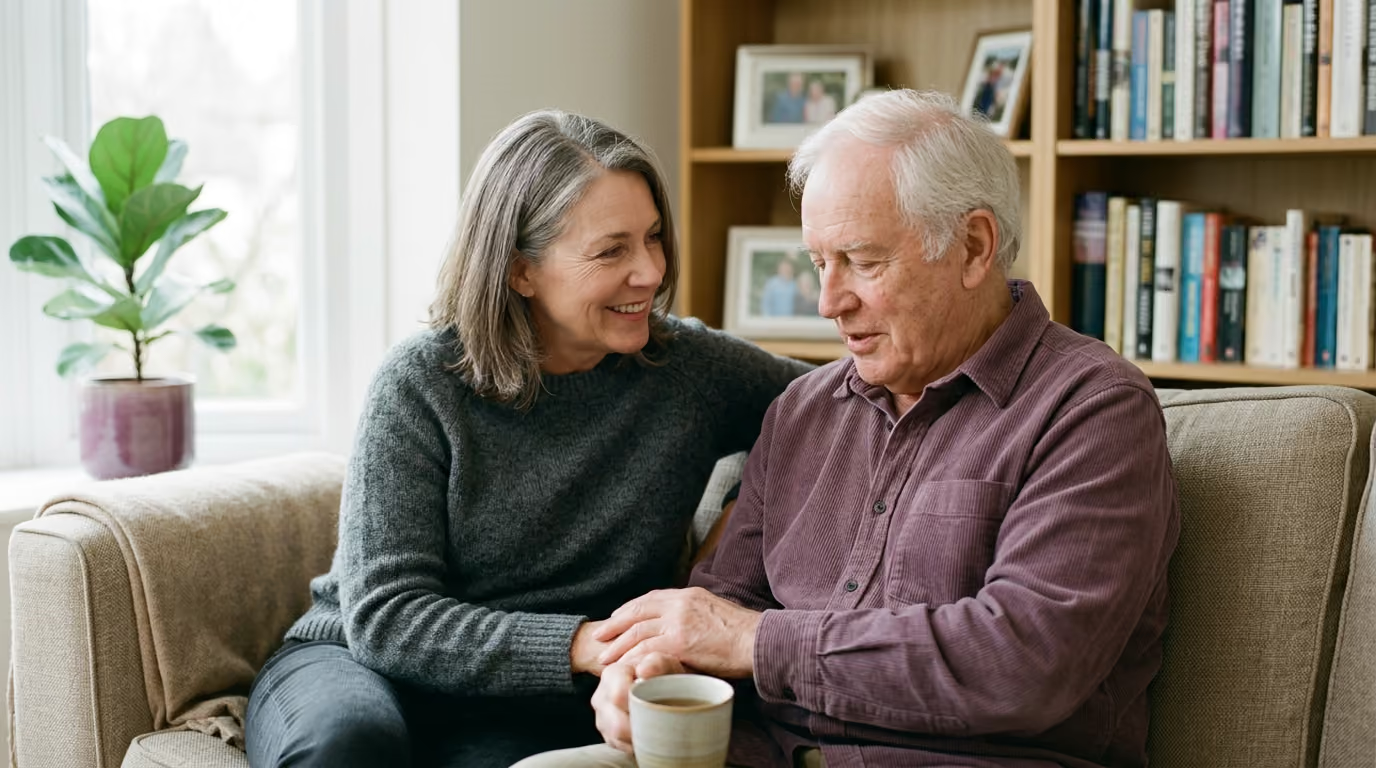

Feeling self-conscious about midlife physical changes during intimacy can reduce pleasure, making practical communication and functional body appreciation essential for lasting confidence.





Body image in midlife and later life is not a static score of how closely someone matches cultural beauty standards. It is a shifting, personal relationship with physical appearance, bodily function, comfort, and vulnerability in intimate spaces. Sexual confidence during these years is not an innate performance trait or a guarantee of flawless physical function. Instead, it represents a person's comfort in expressing preferences, maintaining boundaries, and experiencing intimacy without severe self-criticism.
Changes in physical appearance, energy, health, and mobility often accompany the middle and later decades of life. These shifts can alter how a person feels about being seen, touched, or physically vulnerable with a partner. However, bodily change does not mean that intimacy must end or that satisfaction inevitably declines.
This guide examines the evidence surrounding self-perception, physical adaptation, and intimate well-being across midlife and older adulthood. It looks at what research confirms, where scientific limitations exist, and how practical reflection can support comfort. Intimate well-being encompasses emotional connection, affection, and mutual satisfaction, rather than narrow definitions of physical performance.
Body image involves how a person perceives, feels about, and experiences their physical self across daily life and intimate encounters. It includes thoughts about visible traits such as weight, skin elasticity, and hair, but it also extends to internal sensations. Functional body image describes how someone experiences their strength, mobility, and stamina. Intimate body image reflects how comfortable someone feels when sharing their body with another person during moments of physical closeness.
Sexual confidence is distinct from sexual frequency or physical performance. It refers to an individual's sense of agency, ease, and emotional security when navigating physical connection. A confident person can articulate what feels good, name what feels uncomfortable, and handle unexpected physical changes without panic. Confidence does not require a person to love every visual aspect of their body. It requires a willingness to participate in intimacy without letting self-judgment dominate the experience.
Research shows that self-esteem and body image correlate with sexual satisfaction and attitudes toward intimacy. When people experience intense self-consciousness about their bodies, they often direct their attention inward during intimate moments. This internal self-monitoring can reduce arousal, diminish pleasure, and lead people to withdraw from physical closeness altogether. Conversely, a functional appreciation of the body can help people stay present and attentive to physical sensations.
Importantly, body image and sexual confidence are context-dependent rather than fixed traits. They shift based
on health status, relationship dynamics, emotional safety, and cultural messages about aging. Understanding this link allows adults to treat changes in confidence as natural responses to life shifts rather than personal failings. Developing comfort with sexual longevity and aging involves learning how self-perception and physical realities interact over time.
Understanding the nuances of body image helps clarify why some changes feel more challenging than others:
Scientific literature challenges the outdated assumption that sexual interest and intimate capacity disappear in midlife and later adulthood. Broad systematic reviews demonstrate that sexual well-being in older populations spans many dimensions. It includes emotional intimacy, expressions of love, mutual satisfaction, personal attitudes, and shared companionship, alongside physical health.
A systematic review of 62 studies covering more than 46,500 people aged 55 to 99 across 21 countries found that older adults experience sexuality in highly diverse ways. The authors concluded that the data directly challenges the idea of a universal, inevitable decline in sexual interest. While some people report reduced activity, others experience stable interest, refined preferences, or an increased focus on emotional connection. Sexual satisfaction in later life depends on multiple psychological and interpersonal factors, not purely on biological age.
Another qualitative systematic review evaluating 27 studies and 3,044 participants across seven countries identified several elements supporting sexual well-being. These included perceived physical health, positive self-image, partner support, independent activity, and non-sexual joint experiences. The researchers noted that expressions of love and mutual care frequently mattered more to participants than strict measures of sexual frequency.
The relationship between body image, self-esteem, and intimate satisfaction is well documented, though research cautions against simple cause-and-effect assumptions. A 2025 cross-sectional study of 1,004 adults over age 65 attending health centers evaluated attitudes toward sexuality. The study found that age, body image, and self-esteem together accounted for 84% of the variance in permissive, open attitudes toward sexuality. Positive feelings about one's body and self-worth were associated with more open attitudes toward intimacy.
A broad systematic review of 19 studies involving 12,482 participants examined how body image and self-esteem relate to sexual satisfaction. The analysis confirmed consistent positive associations between body appreciation and sexual satisfaction across various demographics. However, the strength of this association varied according to gender, cultural setting, and open communication habits between partners. Among older cohorts, the negative link between body dissatisfaction and sexual satisfaction was relatively weak, suggesting that emotional maturity and relationship quality can buffer against aesthetic worries.
While these research findings provide valuable insights, several methodological limitations exist within the available literature:
Aging naturally introduces biological shifts that can modify physical sensations, stamina, and physiological responses. The National Institute on Aging notes that changes in vascular health, hormone levels, and nerve sensitivity can alter how the body responds to touch and stimulation. For men, erectile response may require more direct stimulation or more time to develop. For women, postmenopausal shifts can lead to thinner vaginal tissues, decreased natural lubrication, and reduced elasticity.
Chronic medical conditions can introduce additional complexities to intimate life. Illnesses such as diabetes, cardiovascular disease, arthritis, and respiratory conditions can affect energy reserves, physical mobility, and nerve function. Treatments and medications, including certain blood pressure therapies and antidepressants, may influence baseline desire or physical responsiveness. In a qualitative study on intimate aging, participants frequently cited medical conditions, medication side effects, and joint mobility limits as noticeable factors affecting their intimate lives.
These physical changes do not mean intimacy is impossible, but they often require practical adaptations. The National Institute on Aging suggests that modifying positions, allowing more time for warmth and comfort, and using water-based lubricants can help manage physical discomfort. When physical sensations shift, self-perception often shifts too. A person experiencing slower arousal or stiffness may interpret the change as a loss of attractiveness or capability.
Recognizing that physical shifts are common biological events helps decouple bodily changes from personal adequacy. Chronic illness or surgical scars alter how the body looks and moves, but they do not eliminate the capacity for emotional closeness, sensual enjoyment, or mutual care. Adapting intimate practices to match current physical capacity allows couples to maintain connection without placing unrealistic physical demands on their bodies. Navigating these changes with an understanding of midlife and aging provides context for normal physical transitions.
Adults can navigate typical physiological shifts through practical, low-pressure adjustments:
The impact of body image on sexual confidence varies significantly from one person to another. Individual life experiences, cultural backgrounds, gender expectations, and relationship histories all shape how adults interpret physical aging. Two people experiencing the exact same physical changes may respond with entirely different levels of comfort or distress.
A prominent factor in this variation is the cognitive shift from aesthetic appearance toward functional appreciation. Qualitative research shows that many adults gradually place less emphasis on societal beauty standards as they age. Instead, they begin to value physical comfort, emotional resilience, and the sensory pleasure of being close to someone. This transition allows individuals to view bodily changes as normal markers of a full life rather than flaws that require concealment.
Cultural messages and gender socialization also influence self-perception in midlife. Men may feel pressure to maintain youthful performance, stamina, and physical strength, viewing slower responses as a threat to their identity. Women often face intense cultural pressure regarding youthfulness, weight, and physical appearance, which can increase self-consciousness during intimate moments. Furthermore, research reviews indicate that the link between body dissatisfaction and sexual satisfaction is not uniform across all identities, showing different patterns among lesbian and bisexual individuals compared to heterosexual peers.
Personal health history plays a major role in shaping confidence. An individual who has navigated serious illness or major surgery may develop a deep gratitude for their body's resilience, even if its appearance has changed. Conversely, someone dealing with sudden, unexpected health limitations may experience grief and temporary frustration. These differences highlight the importance of avoiding generalized assumptions about how an individual "should" feel about their body in later life. Understanding sexual confidence and mental well-being helps explain these diverse personal trajectories.
Several personal and social factors influence how someone experiences bodily aging:
Sexual confidence exists within a relational environment. In partnered relationships, emotional security, mutual respect, and clear communication serve as powerful buffers against body-related anxiety. When partners demonstrate affection through non-sexual touch, words of appreciation, and attentiveness, individuals feel safer being physically vulnerable.
A comprehensive qualitative review identified partner support and non-sexual joint activities as central components of sexual well-being among older adults. Shared activities such as walking together, cooking, or enjoying hobbies build mutual trust and companionship. When intimacy is supported by a strong foundation of daily affection, the pressure on sexual encounters decreases. Intimacy becomes an extension of an existing bond rather than a test of physical performance or visual appeal.
Communication is essential for navigating changing bodies, but it does not require elaborate scripts. Simple, honest statements about comfort levels, physical sensations, and emotional needs help prevent misunderstandings. When a person stays silent about joint discomfort or self-consciousness, their partner might misinterpret hesitation as a lack of desire or emotional withdrawal. Transparent dialogue ensures that both partners understand each other's physical boundaries and preferences.
Clear boundaries and ongoing consent are vital across all stages of adulthood. Consent involves mutual enthusiasm, comfort, and the freedom to pause or alter an activity at any time. In long-term relationships, partners sometimes assume they know what the other person wants without asking. Checking in gently allows partners to adapt to changing physical capabilities without fear of causing discomfort or disappointment. Strengthening relationship intimacy and connection relies on this continuous, supportive dialogue.
Couples can support comfort and ease through thoughtful conversational habits:
Developing comfort with an aging body does not require a person to force positive thinking or pretend that physical challenges do not exist. Reflective approaches offer structured ways to examine assumptions, process physical transitions, and clarify personal desires. These practices emphasize mindfulness, functional appreciation, and gradual adaptation rather than sudden transformations.
The following illustrative models demonstrate how individuals can reflect on physical changes without imposing rigid expectations on themselves:
Consider an individual who feels uneasy undressing in bright light or engaging in certain types of touch due to noticeable skin changes. Rather than forcing themselves into uncomfortable situations, they can reflect on the specific source of their unease. They might realize that the discomfort stems from anticipating judgment rather than a lack of desire for closeness.
A constructive step involves modifying the physical environment to support comfort. Lowering the lighting, choosing comfortable clothing, or focusing attention on the physical sensation of touch rather than visual appearance can help reduce self-monitoring. Over time, practicing sensory awareness helps redirect attention away from internal self-criticism and back toward physical connection.
Consider a person who notices that physical arousal takes longer than it used to and worries that their intimate life is ending. The internal story they tell themselves might equate slower physiological responses with a total loss of vitality or attractiveness.
By separating objective physiological facts from internal interpretations, the individual can recognize that slower responses are a standard biological transition. They can choose to remove strict time limits, focus on gentle affection, and allow arousal to build naturally without pressure. This reflective shift helps maintain intimacy while honoring the body's natural pace.
Consider an individual managing a long-term health condition who finds that evening fatigue limits their interest in physical closeness. Comparing their current stamina to past energy levels can lead to frustration and avoidance of intimacy.
Reflecting on their daily energy patterns allows them to identify when they feel most rested. They might decide to share quiet closeness in the morning or early afternoon rather than late at night. They can also focus on low-energy forms of affection, such as lying together, shared reading, or light touch. Adapting intimacy to match current energy preserves connection without causing physical exhaustion. Managing these shifts often involves understanding broader patterns in changes in desire and arousal.
These questions can help individuals clarify their feelings and priorities:
While emotional reflection and open communication are valuable, they cannot resolve every intimate challenge. Physical discomfort, hormonal shifts, and physiological changes often have clear medical components that warrant professional evaluation. Consulting a qualified healthcare provider ensures that treatable underlying conditions are identified and managed safely.
The National Institute on Aging emphasizes that adults should feel comfortable discussing intimate concerns with their doctors. Medical professionals can evaluate how underlying conditions such as diabetes, vascular issues, or hormonal changes may be affecting physical function. For women, clinicians can assess postmenopausal symptoms, offer guidance on pelvic floor health, and discuss prescription options or lubricants for tissue discomfort. For men, doctors can evaluate cardiovascular health, review medications that may influence erectile response, and discuss appropriate medical treatments.
It is important to seek medical guidance when experiencing symptoms such as:
Preparing for a clinical appointment can make the conversation easier and more productive. Writing down specific symptoms, when they occur, and any medications currently being taken provides the clinician with clear context. Approaching intimate health as an integral component of overall wellness allows healthcare providers to offer practical, evidence-based recommendations tailored to your medical history.
Yes, changes in desire, arousal time, and physical preferences are common across midlife and older adulthood. Hormonal shifts, energy variations, prescription medications, and life stressors all influence interest in physical closeness. A shift in desire does not mean something is broken. Many adults find that their focus naturally transitions from physical frequency toward emotional intimacy, mutual comfort, and affectionate touch.
Research confirms that high levels of body self-consciousness can interfere with physical arousal and overall intimate satisfaction. When a person is focused on how their body looks, they tend to monitor themselves internally rather than focusing on physical sensations. This self-monitoring can disrupt natural arousal processes. Shifting attention toward functional sensations, comfort, and emotional connection helps reduce this interference.
Discrepancies in physical capability or interest are common in long-term relationships, especially when health conditions arise. Navigating these differences requires open, non-judgmental communication and a broad definition of intimacy. Couples can share meaningful physical closeness through holding hands, massage, cuddling, and shared hobbies without requiring intercourse. Aligning on activities that feel mutually enjoyable ensures both partners feel valued and connected.
A positive body image supports confidence and comfort, but it is not a sole guarantee of sexual satisfaction. Intimate well-being depends on a combination of physical health, emotional safety, communication quality, and relational compatibility. Developing body appreciation is a helpful component of overall well-being, but it works alongside medical care, mutual respect, and ongoing communication with a partner.
Follow Sexential for thoughtful guidance on desire, sexual function, hormones, confidence, relationships and intimacy. Explore new resources and evidence-aware guidance for sexual wellbeing across adulthood.


Explore practical resources on desire, function, hormones, confidence, intimacy and sexual wellbeing.
Read the Blog