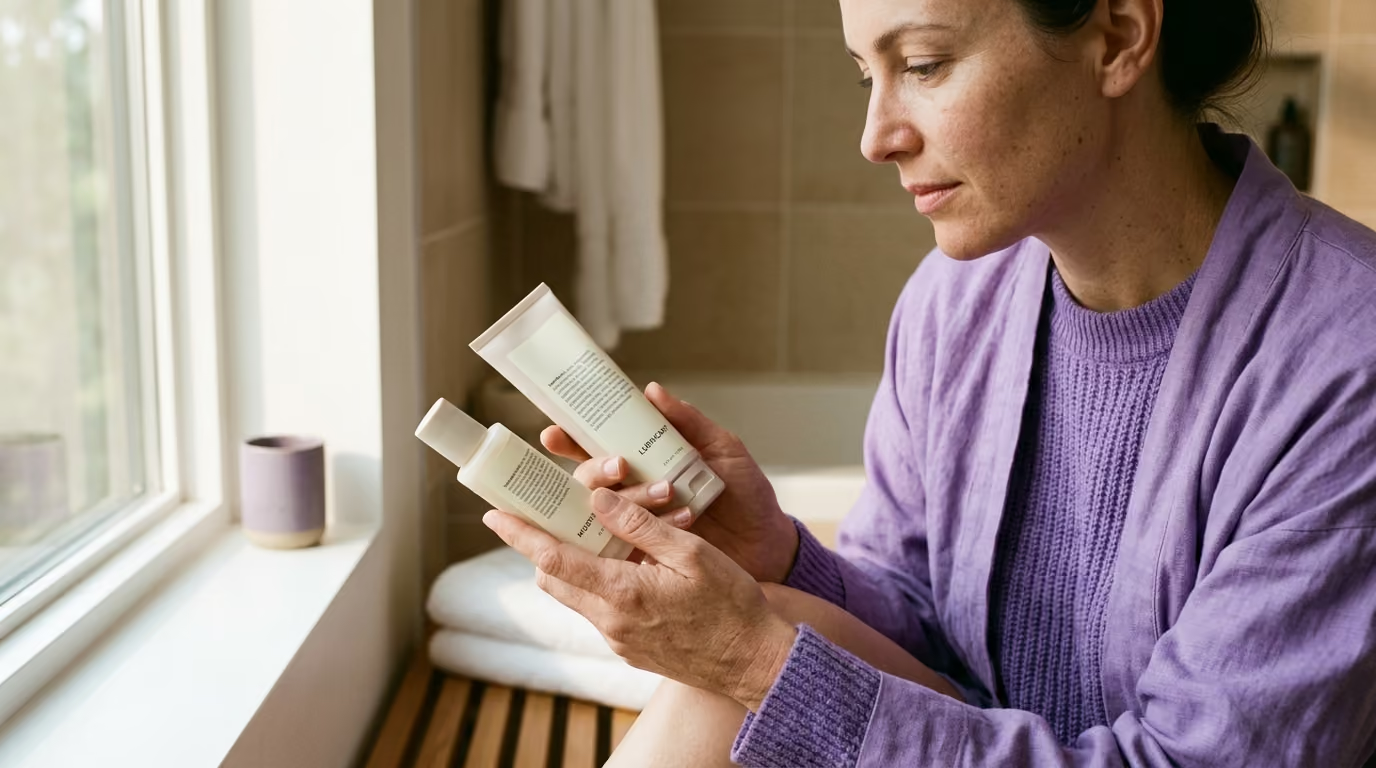

Midlife sexual changes often prompt confusing claims about natural therapies, so this comprehensive guide breaks down the clinical evidence behind bioidentical hormones.





Bioidentical hormone therapy is often described as a natural, customized approach to midlife vitality and sexual health. In clinical practice and marketing, the term is frequently misunderstood. Bioidentical refers strictly to the molecular shape of a hormone, meaning it is chemically identical to the hormones produced naturally by the human body. It does not mean a product is entirely herbal, inherently risk-free, or exempt from standard biological precautions.
The conversation around bioidentical hormones often blends regulated prescription treatments with custom-mixed pharmacy formulations. It also tends to group distinct concerns, such as painful intercourse, hot flashes, and low sexual desire, into a single category of hormonal decline. Evaluating these therapies requires looking beyond marketing language to examine clinical data, safety regulations, and the specific physical changes that happen during midlife.
Understanding how hormones influence adult intimacy involves navigating scientific evidence, regulatory oversight, and individual physiology. This guide examines what current medical research confirms about bioidentical hormones, where the evidence is limited, and how to evaluate treatment options with a healthcare clinician. Readers interested in broader midlife changes can also examine our evidence-based guides on hormones and sexual wellness to understand how endocrine shifts interact with overall wellbeing.
The word bioidentical describes the chemical structure of a compound. A bioidentical hormone has the exact same molecular arrangement as a hormone synthesized by the human endocrine system. Because the molecular structure matches endogenous hormones, the body processes it using the same biochemical pathways and cellular receptors.
Bioidentical does not mean that a hormone is extracted directly from a plant in an unprocessed state. Many bioidentical hormones are synthesized in commercial laboratories using precursor compounds found in plants such as wild yams or soy. Through specialized chemical processing, these precursors are converted into hormones identical to human estrogen, progesterone, or testosterone.
It is a common misconception that bioidentical hormones are available only through specialty compounding pharmacies. The United States Food and Drug Administration (FDA) has approved numerous medications that contain bioidentical hormones. These include standard, commercially manufactured transdermal estradiol patches, oral micronized progesterone capsules, and specific vaginal therapies. These regulated products are bioidentical in chemical structure, yet they undergo the standard premarket evaluation required for all prescription medications.
At the same time, the term bioidentical is widely used to market custom-compounded hormone mixtures. Compounded preparations are mixed by specialized pharmacies based on an individual prescription. While they contain bioidentical ingredients, they do not undergo the same premarket review process as commercially manufactured medications. Conflating the chemical structure of a molecule with its manufacturing and regulatory process creates substantial confusion for patients seeking clear answers.
The primary distinction between standard bioidentical therapies and custom-compounded options lies in manufacturing oversight and clinical validation. Commercially manufactured, FDA-approved bioidentical hormones must meet strict federal standards for manufacturing consistency, potency, purity, and pharmacokinetic predictability. Every approved batch is tested to confirm that it delivers the precise amount of active ingredient stated on the packaging.
Custom-compounded hormone therapy falls under a different regulatory framework. Traditional compounding, governed largely under Section 503A of the Federal Food, Drug, and Cosmetic Act, allows licensed pharmacists to prepare individualized medications for patients who have specific clinical needs that commercially available products cannot meet. A patient might require a liquid formulation due to swallowing difficulties, or need an allergen-free base that excludes dyes or specific oils.
Because compounded medications are prepared individually, they are exempt from standard premarket reviews for safety and clinical efficacy. Compounding facilities are not required to provide the uniform package inserts and safety warnings that accompany commercially manufactured hormones. As a result, the consistency and quality of compounded formulations can vary across different pharmacies and batches.
Clinical organizations, including the American College of Obstetricians and Gynecologists (ACOG), have highlighted concerns regarding batch-to-batch variation in compounded hormones. In one study evaluating estradiol and progesterone capsules and creams prepared by thirteen compounding pharmacies, researchers observed notable differences between the stated dose and the actual active ingredients. Estradiol levels were found to be up to 26 percent below the stated amount, while progesterone levels were up to 31 percent above the labeled concentration.
Variability in potency creates practical clinical challenges. If an estrogen preparation delivers less hormone than intended, a patient may experience persistent menopausal symptoms. If a progesterone formulation is underdosed, it may not adequately protect the uterine lining from estrogen-driven cell growth, which could increase the risk of endometrial hyperplasia. The Menopause Society notes that while compounding remains essential for specific medical exemptions, standard FDA-approved formulations should remain the first-line choice when suitable options exist.
Many commercial wellness clinics promote saliva, blood, or urine testing panels as a method to identify precise hormonal imbalances. These marketing programs often claim that laboratory results can generate a personalized hormone recipe to restore sexual drive and energy. However, major endocrine and gynecological societies advise against using these testing panels to design custom menopausal hormone regimens.
ACOG states that salivary testing is neither accurate nor reliable for assessing hormone levels or determining menopausal therapy doses. Salivary hormone concentrations fluctuate constantly throughout the day and do not consistently reflect the active hormone levels within tissues or the bloodstream. Furthermore, there are no FDA-approved salivary or urinary tests for steroid hormone management in menopausal care.
Hormone levels naturally vary from day to day and even hour to hour during perimenopause. A single laboratory test captures only an isolated snapshot of a fluctuating endocrine system. Because of these rapid shifts, adjusting a custom compound to chase a specific laboratory number can result in inappropriate dosing. Standard clinical guidance emphasizes that systemic menopausal hormone therapy should be tailored to symptom relief rather than targeted to a theoretical laboratory profile.
Blood tests do play a role in specific clinical situations, but they must be interpreted within their validated scope. When evaluating low sexual desire, professional guidelines from the International Society for the Study of Women's Sexual Health (ISSWSH) advise that a total testosterone blood test should not be used as a standalone diagnostic tool. Instead, baseline blood testing helps ensure that androgen levels are not already high, and follow-up testing confirms that treatment remains within normal physiological limits.
Sexual wellness in midlife involves multiple physiological systems that respond differently to hormonal changes. Changes in estrogen levels can alter blood flow, tissue elasticity, and natural lubrication in the pelvic region. Distinguishing between systemic physical symptoms and localized changes is essential for choosing safe, effective care.
Systemic menopausal hormone therapy, which circulates throughout the entire body via oral pills, skin patches, or topical gels, is primarily indicated for moderate to severe hot flashes, night sweats, and the prevention of postmenopausal bone loss. When systemic therapy relieves severe sleep disruption and hot flashes, it can indirectly improve sexual wellbeing by restoring energy and general comfort.
The Menopause Society emphasizes that the benefit-to-risk balance for systemic hormone therapy is most favorable for healthy women who begin treatment before age 60 or within ten years of menopause onset. For individuals starting systemic therapy after age 60 or more than a decade past menopause, the risks of cardiovascular events, stroke, blood clots, and cognitive decline are higher. Therapy does not need to be stopped abruptly at a specific age if a patient and clinician determine that continuing treatment remains safe and clinically appropriate.
For many women, the most significant barrier to comfortable sexual activity is Genitourinary Syndrome of Menopause (GSM). GSM is a chronic condition affecting the vulva, vagina, and lower urinary tract, caused by reduced estrogen stimulation. Unlike hot flashes, which often fade over time, GSM tends to progress without targeted management. Symptoms include vaginal dryness, burning, tissue thinning, and pain during intercourse.
Local therapies act directly on pelvic tissues with minimal absorption into the bloodstream. For women dealing primarily with painful intimacy due to GSM, low-dose vaginal estrogens, vaginal dehydroepiandrosterone (DHEA), or oral ospemifene provide targeted relief. Because low-dose local therapies do not raise overall blood estrogen levels significantly, they typically do not require the addition of a progestogen to protect the uterine lining. Women navigating these physical changes can learn more by reading about sexual wellbeing in midlife and beyond.
Testosterone is produced in small amounts by the ovaries and adrenal glands and contributes to female sexual function. In recent years, marketing campaigns have promoted testosterone as a broad remedy for midlife fatigue, brain fog, and low libido. The actual scientific evidence supports a far more specific, targeted application.
A joint Global Consensus Position Statement, supported by the Endocrine Society and multiple international medical organizations, concludes that physiological-dose testosterone is effective specifically for postmenopausal women diagnosed with Hypoactive Sexual Desire Disorder (HSDD). HSDD is defined as a persistent or recurrent lack of sexual desire and responsive thoughts that causes marked personal or relational distress. The evidence does not support using testosterone for low energy, mood changes, metabolic health, or cognitive focus.
Clinical trials show that appropriate testosterone therapy provides a measurable, though moderate, benefit for postmenopausal HSDD. On average, women receiving physiological doses report an increase of approximately one additional satisfying sexual event per month compared to placebo. Treatment also improves secondary measures of sexual function, including arousal, orgasm, and reduced distress. It is an option for a clearly diagnosed condition rather than an all-purpose energy supplement.
Currently, there are no FDA-approved testosterone formulations designed specifically for women in the United States. As a result, clinicians who treat HSDD must carefully adapt approved male formulations for female dosing off-label, or use carefully monitored alternatives. Major clinical guidelines, including those from ISSWSH, advise against using custom-compounded testosterone when an authorized equivalent can be adapted, citing concerns over dosing accuracy and limited safety data.
Medical consensus strongly advises against the use of surgically implanted testosterone pellets. Pellets deliver variable hormone levels over several months and cannot be removed if a patient develops adverse side effects. Potential complications from excessive androgen exposure include irreversible voice deepening, facial hair growth, clitoral enlargement, severe acne, and unfavorable changes in cholesterol. Regular monitoring of total testosterone levels is essential to keep circulating androgens within normal premenopausal ranges.
Hormone therapies cannot be applied as a universal solution because individual biological factors alter the safety and effectiveness of every treatment. Age, cardiovascular status, metabolic health, and personal cancer history fundamentally change how the body responds to exogenous hormones.
Clinical decisions require balancing specific symptoms against potential long-term risks. The following illustrative clinical patterns demonstrate how treatment choices change based on individual health profiles:
A 52-year-old experiencing severe hot flashes and sleep disruption requests compounded bioidentical hormones, believing they carry fewer risks than standard prescriptions. A clinician can clarify that FDA-approved transdermal estradiol and micronized progesterone are chemically bioidentical to the body's own hormones. These approved medications offer standardized dosing and proven safety profiles without the quality variations found in custom mixtures.
A 58-year-old reports severe discomfort during intimacy and vaginal dryness, but has no hot flashes or night sweats. Starting systemic hormone therapy would expose the entire body to hormones when the symptoms are entirely localized. The evidence supports low-dose local vaginal estrogen or vaginal DHEA, which restores tissue thickness and moisture directly with minimal systemic absorption.
A 49-year-old asks for testosterone therapy after noticing a decline in sexual interest during a period of high workplace stress and marital strain. A thorough clinical evaluation looks for underlying depression, sleep disorders, and relationship dynamics before diagnosing HSDD. Because desire is influenced by physical and emotional factors, lifestyle changes, counseling, or addressing primary health conditions may be more appropriate than hormone therapy.
A 55-year-old with a past history of breast cancer experiences significant discomfort during sexual activity. Systemic hormone therapy is generally contraindicated in this situation due to potential cancer recurrence risks. Non-hormonal vaginal moisturizers and lubricants are the first line of care, and any consideration of low-dose local hormonal therapies requires careful consultation with the patient's oncologist.
A 68-year-old who went through menopause fifteen years earlier seeks to start systemic hormone therapy to improve general vitality. Because more than a decade has passed since menopause, clinical guidelines indicate that the absolute risks of cardiovascular disease, stroke, and blood clots outweigh the potential systemic benefits. Exploring non-hormonal strategies and localized treatments provides a safer path forward.
Sexual wellness cannot be reduced entirely to endocrine levels or laboratory values. Human sexual response is an integrated experience that combines neurobiology, emotional health, partnership dynamics, and social context. When sexual desire or satisfaction declines, hormones are often only one piece of a broader picture.
The International Society for the Study of Women's Sexual Health emphasizes that evaluating sexual function must include an assessment of psychological health, partner dynamics, and interpersonal stress. Chronic relationship conflict, unaddressed emotional grievances, and mismatched sexual preferences regularly suppress sexual interest. Even if hormone levels are optimized, unresolved relational tension will continue to impair intimacy.
Fatigue, mood disorders, and stress hormones like cortisol directly interact with the brain's sexual response centers. Selective serotonin reuptake inhibitors (SSRIs) and other common medications can also lower libido and delay orgasm, regardless of underlying estrogen or testosterone levels. Addressing emotional wellbeing alongside physical health ensures that care is comprehensive and grounded in reality. Readers can explore our resources on desire, libido, and arousal patterns to learn more about how physical and psychological factors interact.
Open, low-pressure communication between partners is essential when navigating midlife sexual changes. Changes in physical comfort or spontaneous desire do not reflect a loss of attraction or personal failure. Discussing physical changes, adjusting sexual routines, and prioritizing comfort over performance helps couples maintain close connection without unrealistic expectations. Those seeking constructive ways to discuss these topics can read our guide on navigating intimacy and relationship changes.
Navigating the market for hormone therapies requires a structured, critical approach. Consumers frequently encounter aggressive advertisements for anti-aging clinics, custom pellets, and proprietary vitality supplements. Taking measured, informed steps helps ensure that health decisions are based on solid evidence and genuine safety.
Before scheduling a clinical consultation, it is helpful to record specific physical experiences over several weeks. Note whether symptoms are primarily systemic, such as hot flashes and insomnia, or localized, such as pain during intercourse. If low sexual desire is a concern, note whether it causes significant personal distress and whether spontaneous interest, responsive arousal, or emotional connection have changed over time.
When meeting with a healthcare professional, asking targeted questions can help clarify the rationale behind any proposed treatment:
Finding a qualified medical provider who specializes in midlife health and sexual medicine is critical. Credible guidance is available through practitioners certified by reputable clinical organizations, such as The Menopause Society or ISSWSH. Working with an experienced clinician ensures that therapies are chosen carefully, dosed accurately, and monitored with evidence-based standards. For a complete understanding of educational resources and health choices, review our medical and educational disclaimer.
No medical evidence shows that custom-compounded bioidentical hormones are safer or more effective than FDA-approved therapies. Both compounded products and approved bioidentical medications carry biological risks associated with hormone exposure. Regulated, approved products have the advantage of strict manufacturing controls, standardized dosing, and consistent quality that compounded mixtures do not undergo.
Hormone therapy can resolve physical barriers to intimacy, such as vaginal pain or severe menopausal discomfort, which often makes sexual connection more appealing. However, hormones alone rarely restore spontaneous sexual desire if other factors are present. Desire is heavily influenced by relationship satisfaction, chronic stress, mental health, and medication side effects, which must also be addressed.
Hormone pellets are heavily marketed by specialized wellness clinics and cash-pay practices as a convenient, long-lasting treatment. However, leading organizations such as ACOG and the Endocrine Society advise against pellets because they deliver unpredictable hormone doses over several months. Once a pellet is inserted under the skin, it cannot be easily removed if adverse side effects or dangerously high hormone levels occur.
The safety of local vaginal estrogen in women with a history of breast cancer remains an active area of clinical study, and available data are insufficient to make a universal safety claim. Non-hormonal lubricants and long-acting moisturizers are the first recommended options. If severe symptoms persist, the decision to use low-dose local estrogen must be made in close consultation with the patient's oncologist, taking into account the specific cancer type and ongoing treatments.
Follow Sexential for thoughtful guidance on desire, sexual function, hormones, confidence, relationships and intimacy. Explore new resources and evidence-aware guidance for sexual wellbeing across adulthood.


Explore practical resources on desire, function, hormones, confidence, intimacy and sexual wellbeing.
Read the Blog