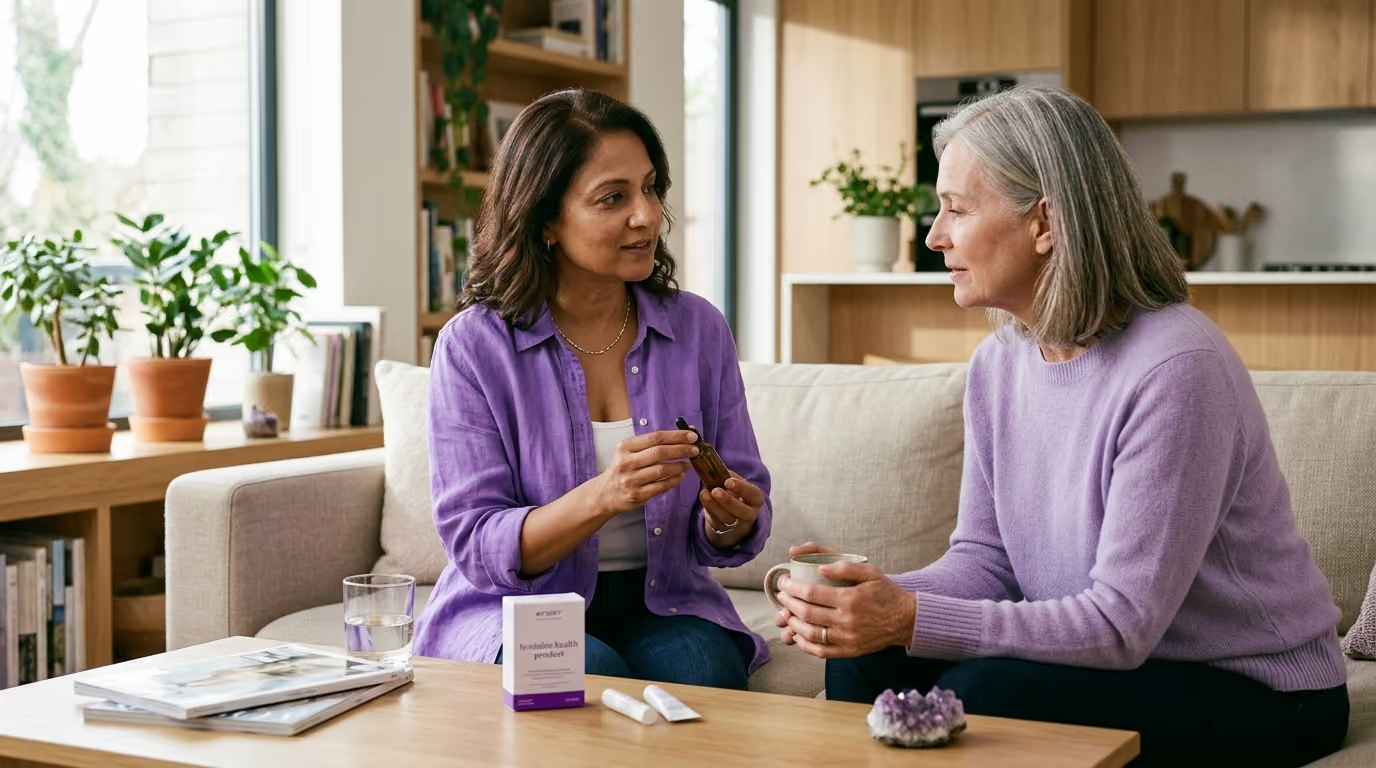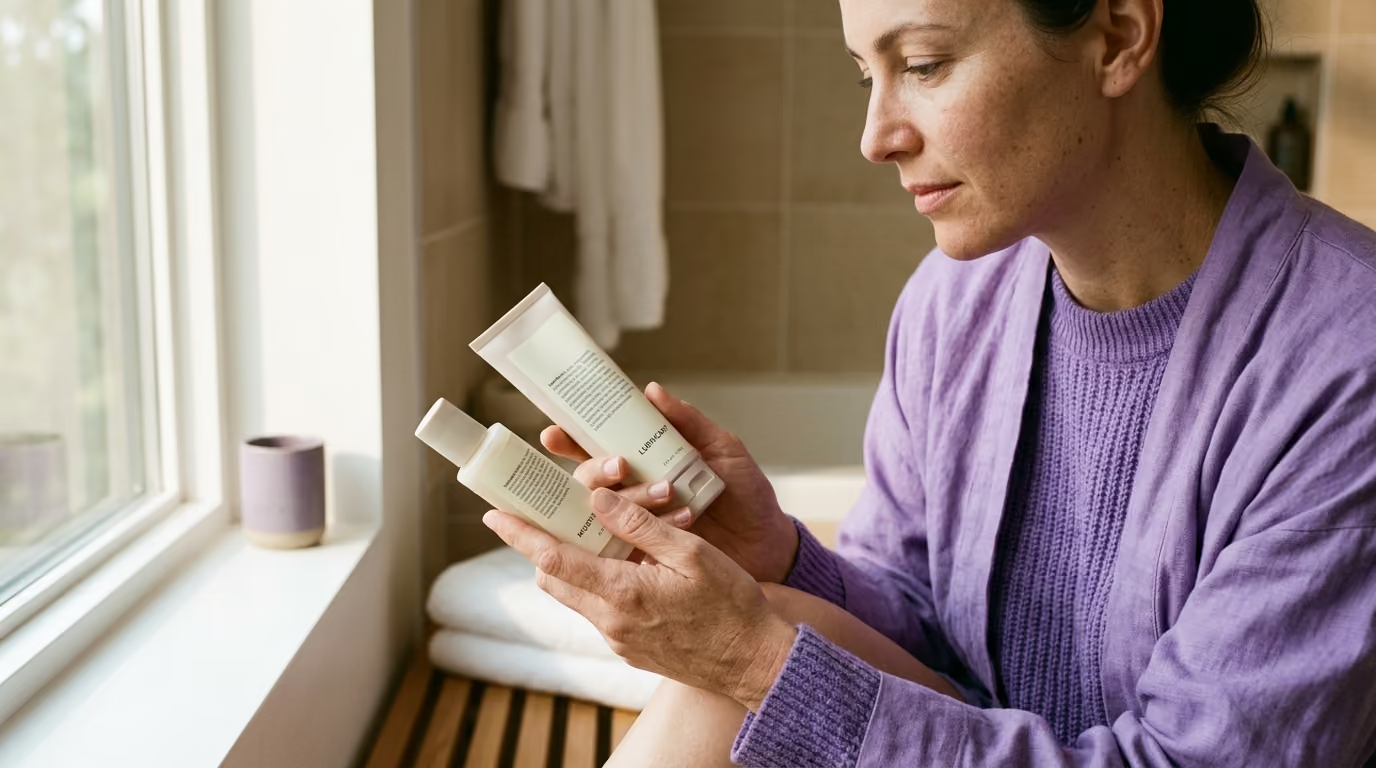

Applying vaginal moisturizers two to five times weekly alongside situational lubricants helps relieve chronic tissue dryness and friction across various life stages.





Vaginal moisturizers and personal lubricants are topical, nonhormonal products designed to alleviate dryness, friction, and tissue discomfort. They are not interchangeable items, nor are they curative medical treatments that can reverse underlying hormonal shifts in pelvic anatomy. Lubricants serve primarily to reduce friction during sexual activity or pelvic examinations. Vaginal moisturizers provide regular hydration to soothe ongoing, day-to-day tissue dryness.
While these over-the-counter options offer accessible relief for many adults, they do not restore estrogen levels or permanently rebuild thinning vaginal tissue. Understanding how these products function, what ingredients to look for, and when symptoms require clinical care allows you to make informed decisions for your comfort and sexual wellbeing.
Personal lubricants and vaginal moisturizers target distinct needs through different mechanisms of action. Lubricants provide immediate, short-term slip on the surface of the skin and mucous membranes. You apply them right before or during intercourse, intimate touch, or the insertion of medical devices. Their primary job is to lower mechanical friction, which reduces irritation, micro-tears, and stinging during movement. Once the activity ends, the lubricant washes away or absorbs, providing no sustained change to daily tissue hydration.
Vaginal moisturizers are formulated for consistent, long-term comfort. You use them on a regular schedule, independent of whether sexual activity takes place. These products contain water-binding polymers or soothing lipids that adhere to the vaginal lining, gradually releasing water to maintain tissue moisture. Clinical guidance often recommends applying moisturizers two to five times per week, depending on product design and symptom severity. Over time, consistent use helps maintain a soothing moisture barrier that eases baseline burning, chafing, and dryness.
Understanding where you apply each product is equally important. Moisturizers come in internal formulations, which you insert into the vaginal canal with an applicator or finger, and external formulations meant for the vulva. External vulvar skin has a different cellular structure and pH requirement than the internal mucosal lining. You should never assume an internal gel is ideal for external chapping, or that an external cream is safe for deep internal application, without checking the product label.
Many people benefit from using both products together as part of a comprehensive routine. A person might use an internal vaginal moisturizer every three days to ease daily discomfort, while keeping a water-based or silicone-based lubricant on the nightstand for intimate encounters. Combining these tools addresses both baseline tissue dryness and situational friction without forcing one product to do a job it was not formulated to handle.
Vaginal dryness is a common physical change tied to shifting endocrine levels, medications, and general health factors. In a healthy premenopausal state, estrogen supports the thickness, rugae (folds), and elasticity of the vaginal walls. Estrogen stimulates epithelial cells to produce glycogen, which beneficial bacteria like Lactobacillus convert into lactic acid. This process maintains a protective, slightly acidic environment that resists pathogens and keeps tissues lubricated.
When circulating estrogen declines, the vaginal epithelium becomes thinner, paler, and less elastic. Blood flow to the pelvic region decreases, leading to reduced natural transudate during sexual arousal. The medical community categorizes this constellation of changes as Genitourinary Syndrome of Menopause (GSM). According to the American College of Obstetricians and Gynecologists (ACOG), GSM encompasses symptoms such as vaginal burning, itching, dyspareunia (painful sex), post-coital bleeding, and recurrent urinary tract infections.
Hormonal dryness is not exclusive to midlife or the menopausal transition. Estrogen drops significantly during the postpartum period, especially while a person is actively breastfeeding. High levels of prolactin during lactation naturally suppress ovarian estrogen production, causing noticeable dryness and tissue fragility. Surgical removal of the ovaries, pelvic radiation, and chemotherapy can also trigger abrupt hormonal shifts and profound tissue changes in younger adults.
Non-hormonal factors and everyday medications frequently contribute to reduced pelvic moisture. Antihistamines, certain antidepressants, decongestants, and anti-estrogen medications prescribed for breast cancer treatment can reduce mucosal secretions throughout the body. Systemic autoimmune conditions such as Sjögren syndrome affect moisture-producing glands broadly, leading to persistent ocular, oral, and vulvovaginal dryness. Recognizing these diverse causes prevents the misconception that dryness reflects a lack of arousal or an inevitable consequence of aging alone.
Readers interested in the broader biological patterns of midlife can review our guide to sexual longevity and hormonal health for deeper physiological context.
Nonhormonal lubricants and moisturizers serve as standard first-line therapies for vulvovaginal discomfort. Clinical practice guidelines from organizations such as The Menopause Society recommend these products as accessible, over-the-counter starting points. Systematic reviews evaluate how these nonhormonal options compare against placebo and active hormonal treatments across several key parameters:
A comprehensive systematic review of randomized controlled trials involving menopausal women found that over-the-counter moisturizers and lubricants consistently improve pain during intercourse and reduce perceived dryness. Study participants frequently report meaningful improvements in comfort during sexual activity when using quality lubricants. Similarly, regular moisturizer application helps reduce baseline chafing, itching, and general irritation compared to using no product at all.
Despite these clear symptom-relief benefits, evidence highlights distinct limits regarding nonhormonal products. A systematic review published in Contraception noted that while nonhormonal options relieve dyspareunia, they do not match the objective physiological improvements produced by local vaginal estrogen. Nonhormonal options do not increase vaginal wall thickness, restore vaginal elasticity, or systematically return vaginal pH to a premenopausal range.
Clinical research also indicates that trial outcomes for moisturizers can vary based on individual tissue status and product ingredients. A 2025 multi-society clinical guideline noted that in several randomized trials, nonhormonal moisturizers demonstrated mixed results when measured against placebos for severe tissue atrophy. For mild to moderate surface dryness, moisturizers offer dependable relief. However, when tissue changes are pronounced, nonhormonal options may leave residual discomfort that requires medical evaluation.
Not all personal lubricants and moisturizers are formulated equally. The physical and chemical properties of a product determine how it interacts with delicate mucosal surfaces. When selecting an over-the-counter option, you must evaluate product base types, pH balance, osmolality, and potential chemical irritants.
Water-based lubricants are the most widely available and versatile formulations on the market. They rinse away easily with water, leave minimal residue on fabrics, and are compatible with all condom materials and intimate devices. Their primary drawback is that they evaporate or absorb during use, frequently requiring reapplication during extended activity.
Silicone-based lubricants do not contain water, which prevents them from evaporating or absorbing into the skin. They provide long-lasting slickness with a small amount of product, making them ideal for high-friction activities or use in the shower. Silicone formulas are safe for use with natural rubber latex and polyisoprene condoms. However, they can degrade pure silicone sex toys and may leave stubborn stains on natural fabrics.
Oil-based lubricants provide a rich, cushioning barrier that lasts a long time. These products may contain plant oils like jojoba, coconut, or refined mineral oil. You must never use oil-based products with natural rubber latex condoms because oils rapidly degrade the material, causing microscopic tears and product failure. Oil-based formulas can also be challenging to wash from internal mucosal tissue, occasionally contributing to altered bacterial balance in sensitive individuals.
A healthy premenopausal vaginal environment maintains an acidic pH, typically ranging between 3.8 and 4.5. This natural acidity suppresses opportunistic organisms, including yeast and anaerobic bacteria associated with bacterial vaginosis. Following menopause or significant hormonal drops, vaginal pH naturally rises toward a neutral range of 5.0 to 6.5 due to reduced lactic acid production.
The World Health Organization (WHO) recommends that personal lubricants intended for vaginal use maintain a pH of approximately 4.5. Using an overly alkaline product can disrupt the local microbiome, increasing vulnerability to bacterial overgrowth and irritation. When evaluating product packaging, look for brands that state their pH range clearly on the label.
Osmolality measures the concentration of dissolved solutes, such as salts, glycerin, and glycols, within a liquid solution. Normal human vaginal secretions possess an osmolality of approximately 370 to 380 milliosmoles per kilogram (mOsm/kg). When a topical product matches this concentration, it is termed iso-osmolal, meaning water neither rushes into nor out of the surrounding cells.
Many commercial lubricants are hyperosmolal, containing high concentrations of glycerin or propylene glycol that exceed 2,000 to 3,000 mOsm/kg. When a hyperosmolal gel contacts vaginal tissue, it exerts an osmotic draw that pulls water out of the epithelial cells. In laboratory studies using 3D human vaginal tissue models, hyperosmolal products above 1,500 mOsm/kg caused epithelial cells to shrink, detach, and lose barrier integrity.
The WHO established an ideal osmolality target of 380 mOsm/kg for intimate lubricants, with an interim practical upper limit of 1,200 mOsm/kg. Highly hyperosmolal products can cause transient burning or post-coital irritation, particularly if the tissue is already thinned or inflamed. While laboratory findings do not guarantee an individual will experience tissue damage, choosing products formulated within recommended osmolality limits minimizes unnecessary irritation.
Certain common cosmetic ingredients are known contact irritants or allergens when applied to mucosal tissue:
Selecting and applying a vaginal moisturizer requires consistency, patience, and clear alignment with your symptoms. Unlike lubricants, which produce an immediate mechanical effect, moisturizers require sustained use over several weeks to support tissue hydration.
Start by identifying the exact anatomical location of your discomfort. If you experience internal friction, dryness deep inside the canal, or internal burning, select an internal vaginal moisturizer. These products usually come as pre-filled single-use applicators, reusable applicator tubes, or dissolvable suppositories containing ingredients like hyaluronic acid or polycarbophil.
If your primary issue involves chafing on the labia, clitoral hood sensitivity, or friction against underwear, choose an external vulvar moisturizer or soothing barrier ointment. External formulas often contain gentle plant-derived lipids, ceramides, or medical-grade petroleum that shield external skin from sweat and friction. Avoid placing heavy external balms deep into the vaginal canal unless the product instructions explicitly state it is safe for dual use.
To learn more about tracking symptoms and responses over time, explore our resource on female sexual wellness and pelvic comfort.
Integrating personal lubricant into intimate activity should feel natural, comfortable, and collaborative. Many people view lubricant as an emergency remedy used only when natural arousal fails. In reality, modern lubricants are essential comfort tools that enhance sensation, protect delicate anatomy, and reduce performance pressure for all participants.
Match the lubricant formulation to your specific intimacy plan. For routine sexual activity, pelvic examinations, or use with silicone intimate devices, select a high-quality, iso-osmolal water-based lubricant with minimal additives. If you plan an extended session, engage in water play, or find that water-based options dry out too quickly, a pure silicone-based lubricant offers superior endurance.
If you rely on condoms for contraception or STI protection, check the manufacturer packaging carefully. Never combine natural rubber latex condoms with oil-based lubricants, petroleum jelly, butter, or culinary oils. Mineral and vegetable oils break down latex polymers within sixty seconds, rendering the barrier ineffective. Always confirm condom compatibility directly on the lubricant bottle.
Apply lubricant generously to both surfaces that will touch. For partnered intercourse, place lubricant around the vaginal opening and apply a smooth layer directly onto the partner, condom, or device. Applying product to both surfaces dramatically reduces initial contact shear.
Do not wait until penetration feels uncomfortable or scratchy to add more lubricant. Reapply smoothly as soon as natural slip begins to decline. Keeping the lubricant within easy reach during intimacy prevents awkward interruptions and keeps the focus entirely on mutual comfort and pleasure.
Readers seeking ways to navigate intimacy adjustments can consult our guide on practical intimacy and relationship dynamics.
Every individual brings a unique biological and medical history to sexual wellness. A product that works smoothly for one person may cause stinging or inadequacy in another. Understanding how specific health conditions influence product selection prevents frustration and unnecessary discomfort.
Individuals undergoing treatment for estrogen-receptor-positive breast cancer often face severe, therapy-induced vaginal dryness. Medications like tamoxifen and aromatase inhibitors drastically suppress circulating estrogens, resulting in rapid and pronounced tissue thinning. Because systemic hormone therapy is generally contraindicated in this population, nonhormonal options serve as critical front-line interventions.
ACOG clinical consensus guidelines emphasize that nonhormonal moisturizers and lubricants should always be the primary recommendation for managing urogenital symptoms in people with a history of breast cancer. If over-the-counter options prove insufficient, low-dose local vaginal estrogen may be considered after thorough consultation between the patient, gynecologist, and oncologist. Using well-formulated, fragrance-free moisturizers several times weekly provides essential daily relief while maintaining oncologic safety protocols.
During the postpartum transition, the combination of pelvic tissue healing and elevated prolactin levels creates temporary hormonal dryness. Even individuals who produced copious natural lubrication before pregnancy may find penetration uncomfortable or painful while breastfeeding.
During this phase, tissue requires gentle, non-irritating hydration. High-osmolality lubricants with heavy fragrances can sting postpartum micro-trauma. Using a simple, pH-balanced water-based or silicone-based lubricant allows comfortable intimacy without exposing healing tissues to harsh chemical additives.
Conditions like Sjögren syndrome cause autoimmune destruction of exocrine glands, dramatically reducing salivary, lacrimal, and vaginal secretions. People living with Sjögren syndrome often experience chronic vaginal dryness regardless of their circulating hormone levels.
For these individuals, relying solely on short-term lubricants during intercourse is rarely enough. A comprehensive regimen involving consistent internal moisturizers, external vulvar emollient creams, and liberal use of long-lasting silicone lubricants during intimacy provides the continuous physical barrier necessary to prevent micro-abrasions and chafing.
For more information on addressing hormone-related shifts across adulthood, visit our library on hormones and sexual health.
Physical changes in lubrication can inadvertently generate emotional stress, miscommunication, and performance anxiety within relationships. When vaginal dryness leads to sudden pain or discomfort, partners may mistakenly interpret the lack of physical wetness as an absence of emotional desire or sexual attraction. Understanding the underlying biology allows couples to decouple natural lubrication from genuine sexual interest.
Physiological lubrication during arousal relies on vascular engorgement in the pelvis, which forces fluid across the vaginal walls. When estrogen levels decline or systemic medications are present, this vascular transudate process is mechanically impaired. A person can feel deeply aroused, emotionally connected, and eager for intimacy while their body physically produces minimal moisture.
Openly discussing this biological reality removes guilt and defensiveness from the bedroom. Normalizing the presence of moisturizers and lubricants frames these products as practical, pleasure-enhancing tools rather than emergency fixes for an inadequate body.
Direct, low-stakes communication before and during intimacy prevents physical discomfort from turning into chronic anxiety:
For practical frameworks on enhancing intimate communication, explore our resources on optimizing sexual function and performance.
While vaginal moisturizers and lubricants provide reliable relief for mild to moderate discomfort, they cannot resolve every underlying pelvic condition. Recognizing when over-the-counter options are insufficient protects you from unnecessary pain and ensures timely medical diagnosis.
Schedule an evaluation with a gynecologist, pelvic floor physical therapist, or qualified healthcare provider if you encounter any of the following signs:
When over-the-counter nonhormonal products fail to provide adequate relief, a healthcare provider can discuss safe and effective prescription options. For individuals experiencing GSM, local low-dose vaginal estrogen (delivered via creams, small tablets, or flexible rings) delivers minimal systemic absorption while directly restoring epithelial thickness, elasticity, and healthy acidic pH.
Other medical options include vaginal prasterone (DHEA inserts) or oral ospemifene, a selective estrogen receptor modulator approved for the treatment of moderate to severe dyspareunia caused by menopause. Combining medical treatments with nonhormonal moisturizers and quality lubricants often provides the most complete and lasting comfort.
Natural plant oils, such as pure organic coconut oil or refined olive oil, are sometimes used as non-commercial lubricants because they provide a smooth, cushioning glide. However, you must never use plant oils with natural rubber latex condoms because the lipids rapidly degrade the latex and cause condom failure. Additionally, unrefined culinary oils are not formulated to match vaginal pH or osmolality and can occasionally disrupt the vaginal microbiome in individuals prone to recurrent yeast infections. If you choose to use plant oils, reserve them for non-condom external use and discontinue immediately if you experience irritation.
Yes, using an internal vaginal moisturizer within forty-eight hours of a scheduled pelvic examination, Pap test, or vaginal swab can interfere with laboratory results. The polymers and oils within moisturizers can obscure cervical cells on cytology slides and alter pH readings during clinical testing. Avoid using internal moisturizers, lubricants, or vaginal suppositories for at least two full days prior to a gynecological examination, unless your healthcare provider explicitly instructs otherwise.
Stinging upon lubricant application usually indicates that the product is hyperosmolal, overly acidic, or formulated with irritating chemical additives like propylene glycol, synthetic preservatives, or artificial fragrances. When fragile, thinned, or micro-abraded tissue contacts a high-solute hyperosmolal liquid, water is pulled rapidly from the surface cells, causing an acute burning sensation. If a product burns, wash it off gently with warm water, discontinue use, and switch to an unflavored, iso-osmolal, water-based or pure silicone-based formula designed for sensitive skin.
Unlike vasomotor symptoms such as hot flashes and night sweats, which often improve or subside years after the menopausal transition, genitourinary tissue changes typically do not resolve spontaneously. Because the decline in circulating estrogen is permanent, the vaginal lining remains thin and dry unless actively managed. Using nonhormonal moisturizers and lubricants consistently can keep daily symptoms manageable, but individuals with progressive discomfort often require long-term local medical therapy to maintain tissue integrity.
Follow Sexential for thoughtful guidance on desire, sexual function, hormones, confidence, relationships and intimacy. Explore new resources and evidence-aware guidance for sexual wellbeing across adulthood.


Explore practical resources on desire, function, hormones, confidence, intimacy and sexual wellbeing.
Read the Blog