

Stress and cognitive load directly influence sexual desire and physical intimacy. Learn how couples can navigate these natural changes to maintain connection.





The evening begins with the laptop finally closing on the kitchen counter. A mental checklist of tomorrow's tasks still plays on a loop in the background. Transitioning from this intense mental state to a moment of physical closeness often feels like an impossible leap. Stress and fatigue directly influence sexual function by keeping the mind occupied and the body tense.
Sexual desire naturally rises and falls over time. Experiencing less interest during a demanding period is incredibly common for adults. A temporary dip in physical desire does not automatically mean someone has a sexual disorder. Recognizing this natural rhythm can be a huge relief for many couples.
Understanding the relationship between mental weight and physical response is the first step toward better sexual wellbeing. Cognitive load refers to the amount of mental effort required to manage daily tasks and family responsibilities. When your brain is constantly processing information, it leaves very little room for relaxation or physical intimacy. This persistent state of alertness can make it difficult to transition into a mindset suited for connection.
The demands of daily life often train our nervous systems to remain in a constant state of mild alarm. Responding to emails, managing household schedules, and navigating career pressures all require sustained mental vigilance. This vigilance actively suppresses the bodily systems responsible for relaxation and sexual arousal. Understanding this biological reality helps adults realize that their bodies are functioning exactly as designed under pressure.
Many people assume that a lack of physical response means a lack of love or attraction. This assumption often leads to unnecessary guilt and tension between partners. However, learning about changes in desire and arousal helps couples realize that the mind and body process tension differently. A person might want to connect emotionally but find their body is simply not ready.
A summary of a 2013 study by Hamilton and Meston illustrates this complex relationship. Science Insights reports that women with high chronic stress showed lower genital arousal and greater distraction in the study setting. This highlights how an active mind can physically interfere with the body's natural sexual responses. Distraction pulls focus away from physical sensations and keeps the mind anchored in everyday worries.
Interestingly, the same study summary reports that genital response and participants' reported arousal did not show the same pattern. The participants reported feeling subjectively aroused even when their physical genital response was demonstrably lower. This is a crucial reminder that physical bodily response and subjective emotional experience are not interchangeable. Feeling turned on emotionally does not always guarantee a physical reaction.
While stress is a powerful factor, it is rarely the only influence on a person's sexual function. Mayo Clinic educational material takes a multifactorial approach to understanding sexual changes. This means that multiple different elements of a person's life often overlap to shape their current level of desire. Blaming a lack of intimacy entirely on a stressful week can sometimes mask other important contributors.
Emotional health, relationship circumstances, and general fatigue all play a significant role in how we experience arousal. A person dealing with ongoing relationship conflict will naturally find it harder to relax into physical intimacy. Similarly, chronic sleep deprivation drains the physical energy required for sexual activity. Navigating sexual longevity and aging requires partners to look closely at their entire lifestyle.
Relationship history and past experiences also deeply inform how a person responds to physical intimacy today. A couple that has weathered significant life transitions together may have already developed strong coping mechanisms for stress. Conversely, a newer relationship might struggle more noticeably when external pressures suddenly change the dynamic. It takes time and intentional effort to figure out how external factors are influencing a specific partnership.
For midlife readers, the available Mayo Clinic material explicitly places stress among a wider set of possible influences. These additional factors include perimenopause, menopause, chronic illness, and pain. Hormonal shifts during these life stages can alter tissue elasticity and overall libido. These biological changes can happen at the exact same time a person is managing peak career responsibilities.
Certain medications can also heavily impact sexual desire and function. When combining daily stress with new prescriptions, the combined effect on libido can be highly noticeable. It is important to view sexual wellbeing as a reflection of overall health rather than an isolated function. Addressing physical health and daily habits together offers a more complete path to maintaining connection.
When navigating changes in the bedroom, understanding established medical guidance can provide immense emotional relief. A Mayo Clinic educational page describes low desire as one of the most common sexual concerns for adults. Knowing that many other people experience similar shifts can help reduce feelings of isolation or personal inadequacy. It reinforces the fact that intimacy naturally fluctuates throughout the course of a long-term relationship.
The guidance emphasizes that having less interest at certain times does not by itself mean someone has a disorder. Medical professionals look at the broader context of a person's life before considering any formal diagnosis. Ongoing distress or relationship concerns matter heavily when considering whether a change requires formal treatment. If a dip in desire does not cause personal worry, it may simply be a natural resting phase.
While the Hamilton and Meston study summary offers valuable insight, it does have specific limitations. The findings concern women in a specific laboratory setting and do not establish equivalent measured effects in men. Furthermore, the evidence is not sufficient to show that stress is the exact cause of any single individual's sexual difficulty. Research helps us understand broad patterns, but individual experiences will always vary based on personal health and history.
The evidence strongly supports viewing stress as one possible contributor rather than a universal explanation for low libido. Recognizing this helps prevent couples from reducing complex sexual difficulties down to a single daily cause. A careful approach acknowledges the weight of cognitive load while remaining open to other medical or relational factors. This balanced perspective prevents partners from pursuing the wrong solutions for their specific situation.
Finding ways to maintain intimacy during busy seasons requires intentional effort and mutual patience. Mayo Clinic lists stress management, mindfulness, relaxation techniques, and adequate sleep as supportive approaches. These habits help lower the body's baseline level of tension to create a better environment for physical connection. However, decompression should be viewed as a helpful experiment rather than a guaranteed cure for low desire.
Couples can benefit from creating clear boundaries between their daily responsibilities and their private time together. Putting away electronic devices, taking a warm shower, or sharing a quiet meal can help shift the nervous system away from work mode. Small, consistent rituals help signal to the brain that it is safe to finally relax. This gradual transition is often necessary before physical intimacy can even be comfortably considered.
Rebuilding intimacy during a stressful period does not always require grand romantic gestures or perfectly planned dates. Small acts of physical affection, such as holding hands or sharing a longer hug, help maintain a vital physical bond. These low stakes interactions remind both partners that they are still physically connected, even if full sexual intimacy is temporarily paused. Consistent, gentle touch can slowly help a stressed nervous system remember how to relax.
Open communication is arguably the most effective tool for navigating these challenging and busy periods. Mayo Clinic recommends open discussion of comfort, preferences, expectations, and changes in sexual response as one way to support intimacy. Talking about these realities removes the pressure to perform and helps partners stay emotionally aligned. Practicing honest couples communication allows individuals to share their needs without creating defensiveness.
These conversations should ideally happen outside the bedroom in a neutral and relaxed environment. Discussing sexual expectations while getting dressed for the day removes the immediate pressure of a physical encounter. When partners understand that a lack of desire is tied to stress rather than a lack of attraction, resentment often fades. This mutual understanding builds a stronger emotional foundation for when physical energy eventually returns.
There are times when lifestyle adjustments and better communication are simply not enough to resolve a sexual concern. Knowing when to involve a medical professional is a vital part of maintaining long-term sexual wellbeing. Mayo Clinic advises considering a healthcare appointment when sexual changes cause significant worry. It is also appropriate to seek help if these shifts negatively affect your quality of life or strain your relationship.
Physical discomfort during intimacy is a clear sign that professional medical input is actively needed. Medical evaluation is strongly recommended if changes occur with concerns such as painful sex or persistent dryness. These physical symptoms often point to hormonal changes or underlying health conditions that require specific medical support. Ignoring physical pain can lead to ongoing anxiety and further decrease sexual desire over time.
Medication side effects are another important reason to consult a qualified healthcare provider. If sexual symptoms began after starting a new prescription, a doctor can help review your available options. Mayo Clinic explicitly states not to stop a prescribed medicine because of sexual side effects without first discussing it with the prescriber. Abruptly stopping medication can carry serious health risks that far outweigh the initial sexual concerns.
Finally, professional support does not always have to be strictly medical or clinical in nature. Therapy may be used alone or alongside medical treatment to help individuals and couples navigate ongoing distress. A qualified professional can provide practical tools to manage chronic stress and rebuild physical confidence. Seeking help is a proactive and healthy step toward reclaiming a fulfilling and connected adult life.
Navigating the heavy mental load of modern adulthood requires patience, and physical intimacy is often the first area to show the strain. By understanding the real biological impact of stress, partners can replace frustration with deep mutual support. Making room for connection is a gradual practice that grows stronger when couples face these natural changes together.
Managing the mental weight of daily life usually falls entirely on the couple, but introducing objective education changes how partners approach these physical shifts. Sexential serves adults aged 35 to 65 by clarifying the uncertainty around sexual function, delivering credible intimacy insights without judgement or hype.
Follow Sexential for thoughtful guidance on desire, sexual function, hormones, confidence, relationships and intimacy. Explore new articles and evidence-aware resources for sexual wellbeing across adulthood.


Learn why differing levels of sexual desire are common in relationships and how couples can navigate midlife intimacy changes together without assigning blame.

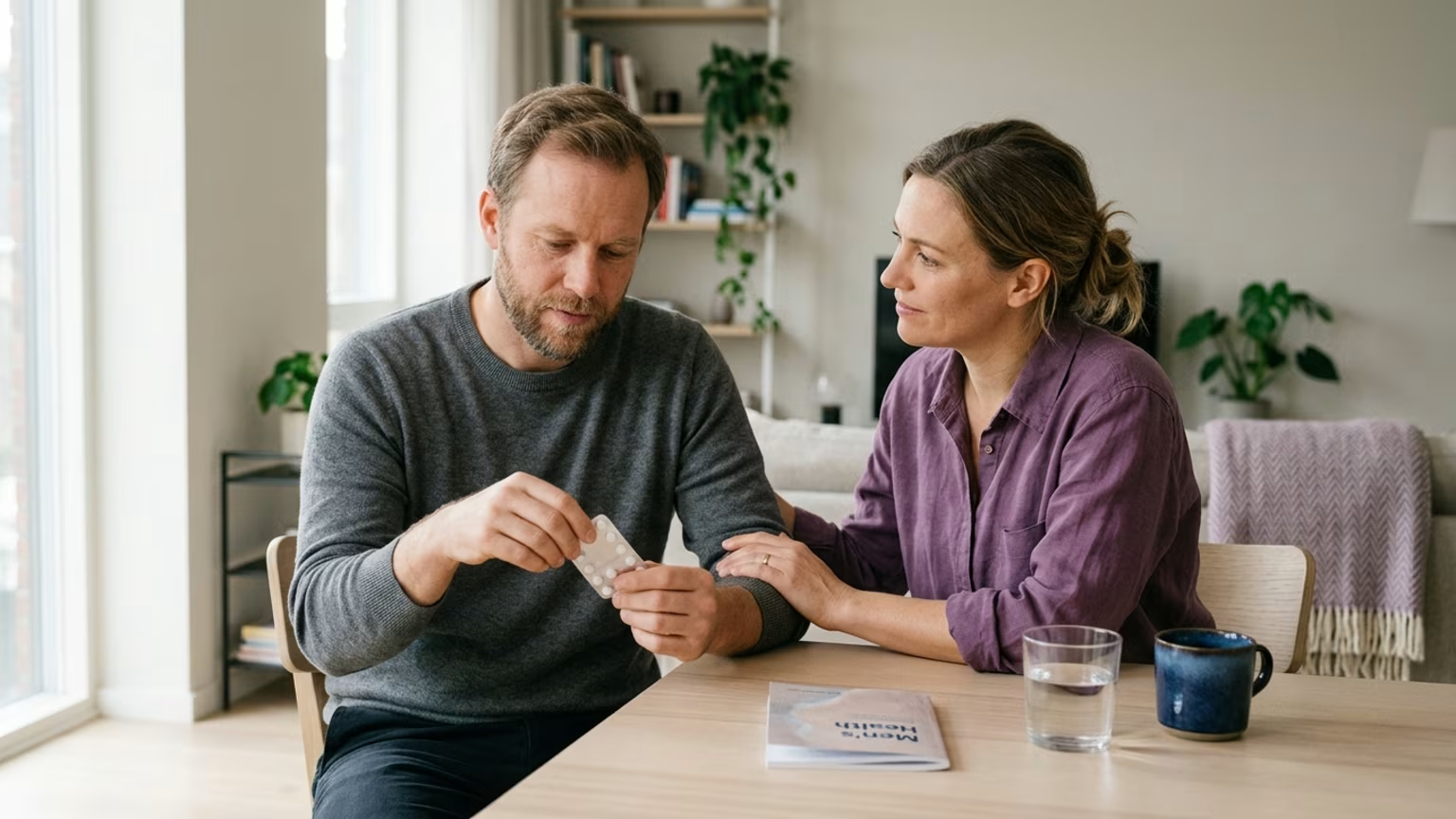
The WHO projects reversible male contraceptives may reach the market in five to 10 years. Read about early gel studies and shared reproductive responsibility.

Learn the difference between spontaneous and responsive sexual desire. Discover how stress, relationships, and health changes influence natural arousal patterns.
Explore practical resources on desire, function, hormones, confidence, intimacy and sexual wellbeing.
Read the Blog