

Learn the difference between spontaneous and responsive sexual desire. Discover how stress, relationships, and health changes influence natural arousal patterns.





The house is quiet, the day is done, and two partners are resting in bed. One partner waits for a familiar, spontaneous rush of physical interest to appear before initiating contact. The other waits for a gentle touch or emotional connection before feeling any physical interest at all. Neither approach is wrong, because sexual desire does not follow one fixed sequence for everyone.
For some adults, a clear interest in intimacy begins well before any sexual activity starts. For others, this interest may only develop after emotional closeness, affectionate touch, or sexual stimulation begins. Learning how these patterns differ is the first step toward a more comfortable physical relationship.
People often assume that true sexual interest always arrives out of nowhere. Cultural narratives usually highlight a spontaneous spark that leads directly to physical intimacy. However, human biology and psychology are much more varied than this simple model suggests. Medical resources provide a broader, more accurate picture of how adults actually experience arousal and connection.
According to educational information from the Mayo Clinic, both spontaneous and responsive patterns of desire can be completely normal. Spontaneous desire describes the experience of wanting physical intimacy before any physical activity happens. Responsive desire means a person needs a supportive context, emotional closeness, or physical touch to awaken their interest. Recognizing that both are valid can instantly change how you view your own physical responses.
Understanding this difference is a vital part of mature relationships, intimacy and sexual connection for many adults. Expecting a spontaneous rush when your body naturally operates on a responsive pattern can cause unnecessary anxiety. A lack of initial, spontaneous interest does not mean that a person is broken or incapable of enjoying intimacy. It simply means their body relies on a different sequence of events to feel ready.
Neither pattern is a defect, and recognizing how your own interest builds can relieve a great deal of pressure. When partners understand that sexual desire naturally varies, they can approach intimacy with much more patience. Knowing that interest might naturally develop after affection begins changes how couples view their physical connection. It removes the pressure to perform and replaces it with an invitation to connect.
Sexual desire naturally rises and falls over the course of a lifetime. The Mayo Clinic notes that a wide variety of life circumstances and health factors are associated with these normal changes. Your physical and emotional environment heavily shapes whether you feel interested in intimacy on any given day. Desire is rarely a constant, unchanging force in any adult life.
Relationship context plays a significant role in how these patterns function day to day. Emotional closeness, safety, and a feeling of connection may contribute directly to your sexual interest. Conversely, relationship conflict, a lack of trust, or poor communication may negatively affect a person's sexual response. It is very difficult for responsive desire to build if the foundational environment of trust is missing.
Mental health and daily life pressures are equally important factors to consider. Stress, fatigue, depression, and anxiety can all significantly shift how you experience desire and arousal. When the mind is occupied by daily stressors or exhaustion, the body often prioritizes rest over sexual interest. Resolving these outside pressures is sometimes necessary before a person can feel open to physical closeness.
Physical health and life stages also dictate how desire manifests over time. Chronic illness, pain, certain medications, and changes in body image all impact physical readiness. For women in midlife, perimenopause and menopause can bring hormonal shifts that further influence these established patterns. Navigating midlife and aging requires an understanding that our bodies will inevitably respond differently to stimulation as years pass.
When looking at established medical guidance, a clear message emerges about the highly individual nature of arousal. The Mayo Clinic specifically states that there is no particular amount of sexual desire a person is supposed to have. A change in your usual pattern is not necessarily a medical problem unless it causes you distress or concern. The medical consensus supports variation rather than prescribing a single correct way to feel.
It is also incredibly important to separate physical reactions from actual psychological interest. The Mayo Clinic notes that vaginal lubrication alone is not a reliable measure of sexual desire or arousal. A physical response does not guarantee that a person feels mentally engaged, and a lack of physical response does not prove disinterest. Relying on physical signs alone can easily lead to painful misunderstandings between well-meaning partners.
Current educational sources focus on providing context rather than enforcing strict numerical rules across populations. The available guidance from the Mayo Clinic, which references 2017 educational materials, focuses heavily on women's sexual health. This guidance confirms that responsive interest is common, normal, and highly contextual. It also outlines that what someone finds stimulating naturally varies between individuals and can change over time.
These facts help clarify how we view sexual function and performance without reducing intimacy to a strict equation. The evidence does not establish that one pattern is inherently more common in long-term relationships or midlife. It simply affirms that shifting contexts and different ways of wanting are a normal part of adult sexuality. Knowing this allows adults to trust their bodies rather than holding themselves to impossible standards.
Recognizing that desire can be responsive rather than spontaneous offers couples a highly practical way to approach intimacy. You do not always need to wait for a sudden wave of physical interest to share a close moment. Sometimes, simply creating a relaxed environment and enjoying affectionate touch is enough to see if desire naturally follows. This gentle approach creates space for intimacy to grow without demanding an immediate physical reaction.
However, being open to closeness is never an obligation to continue into sexual activity. Responsive desire means that interest might develop after touch begins, but it is certainly not a guarantee. Both partners must maintain clear communication and understand that intimacy can stop comfortably at any point. A hoped-for change in desire should never become a reason to push past reluctance or discomfort.
It also helps to actively manage expectations during major midlife transitions. What a person found physically or emotionally stimulating in their thirties might change completely in their fifties. Allowing room for curiosity and gentle experimentation can help partners stay connected without the pressure of a required outcome. Recognizing these shifts is a core part of supporting long-term lifestyle and sexual wellbeing.
Finally, couples can benefit from noticing their own context without placing unnecessary blame on each other. If stress, fatigue, or a new medication is dulling desire, recognizing that external factor can prevent deep misunderstandings. Shifting the focus from a perceived lack of desire to the broader context helps maintain mutual respect. It allows partners to face the challenge together rather than treating the shifting desire as a personal rejection.
Not every shift in sexual interest requires a doctor, but certain symptoms definitely deserve professional attention. The Mayo Clinic advises seeking healthcare input when a change in desire is persistent, worrying, or actively causing pain. You should also consult a qualified professional if the change is negatively affecting your well-being or your relationship. Ignoring persistent distress can turn a manageable health issue into a long-term burden.
Physical discomfort during intimacy is a clear signal to seek medical advice rather than simply waiting for a change. For women, menopause-related hormonal changes may contribute to vaginal tissue changes, dryness, and painful sex. However, the Mayo Clinic cautions that vaginal dryness can occur at any age and is not always caused by menopause. A professional can help identify the actual root cause rather than relying on common assumptions.
A healthcare provider can review your medical history to see if an underlying condition is playing a role. They can also check if certain medications are inadvertently interfering with your natural arousal patterns. Getting a proper medical evaluation ensures you have the right information to support your long-term physical health. It provides peace of mind and often opens the door to effective, personalized treatment options.
Ultimately, there is no single blueprint for how adult desire should look or behave. By understanding your own natural patterns, you can cultivate a more patient, fulfilling approach to intimacy that respects exactly where you are today.
Understanding the different ways sexual interest develops allows couples to connect without anxiety, and Sexential provides the clear, evidence-aware education needed to achieve this relief. We help adults aged 35 to 65 navigate difficulty communicating changing needs or desire with a partner, offering mature information to build confidence and deeper connection.
Follow Sexential for thoughtful guidance on desire, sexual function, hormones, confidence, relationships and intimacy. Explore new articles and evidence-aware resources for sexual wellbeing across adulthood.


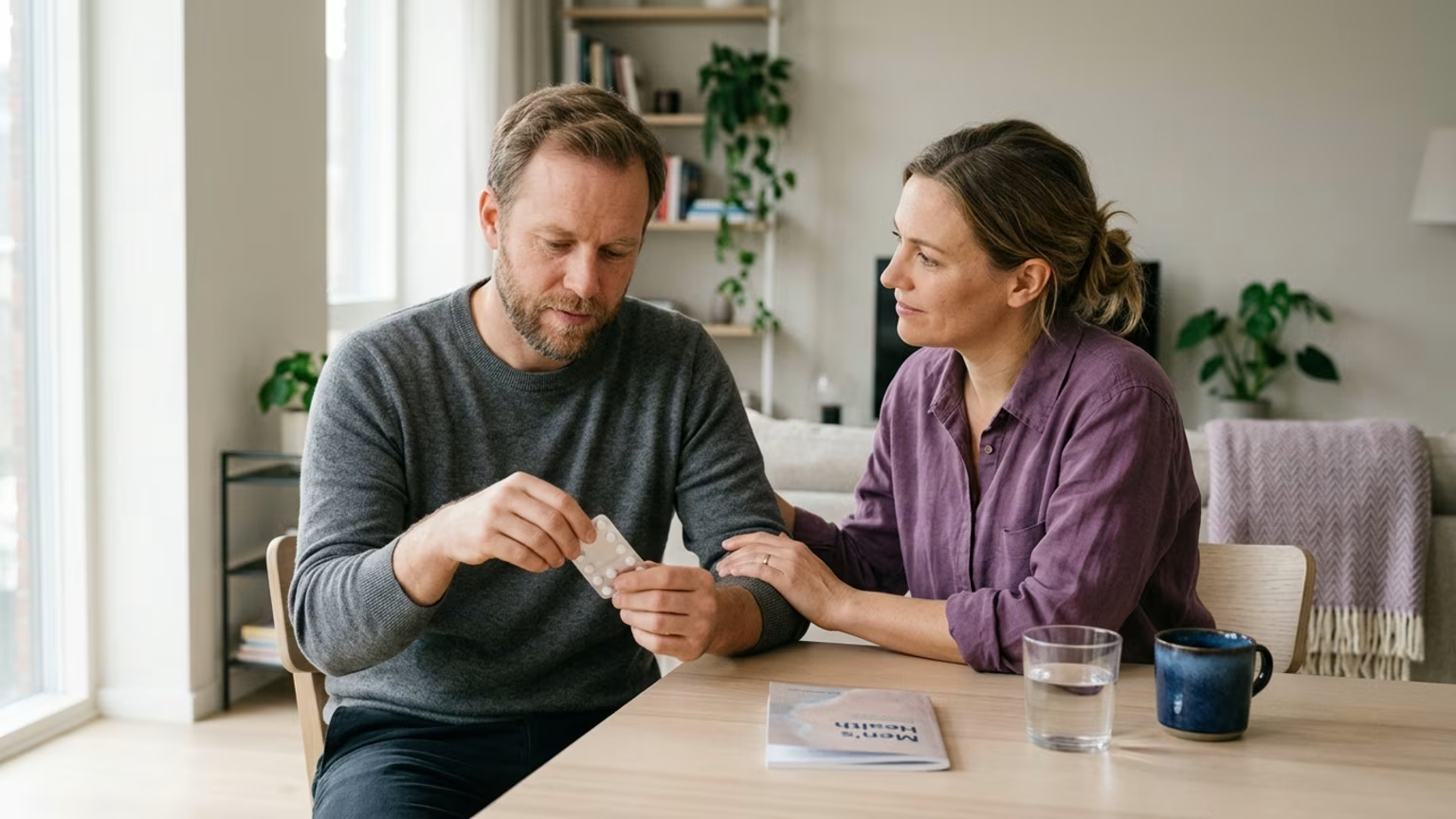
The WHO projects reversible male contraceptives may reach the market in five to 10 years. Read about early gel studies and shared reproductive responsibility.

Explore practical resources on desire, function, hormones, confidence, intimacy and sexual wellbeing.
Read the Blog