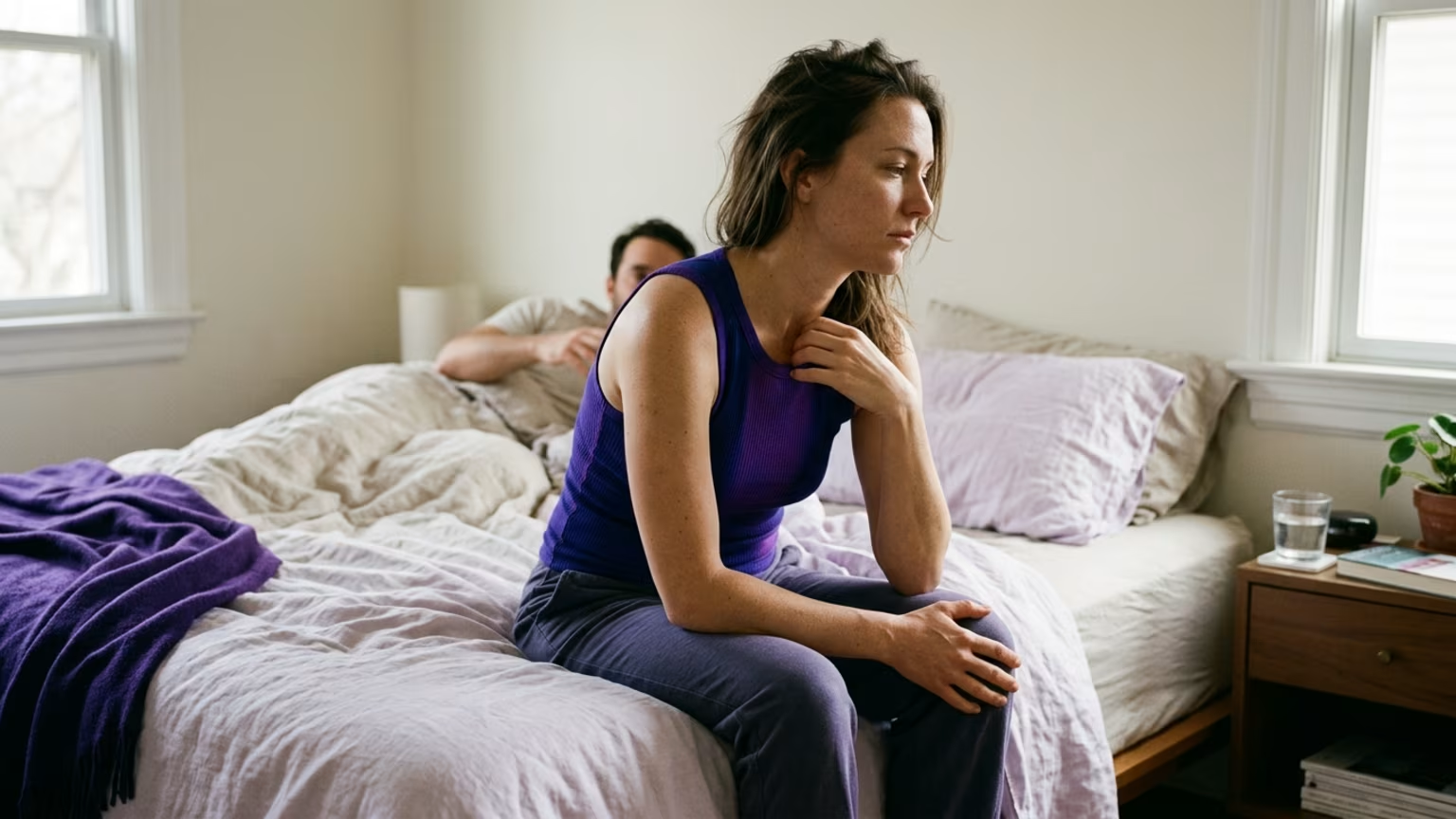

Chronic stress limits the body's ability to prioritize sexual desire. Read how to build low-pressure routines that create room for physical connection.





A relaxing weekend will not automatically reset a sex drive that has been sidelined by chronic stress. Everyday tension often keeps the nervous system in an alert state, leaving very little room for physical arousal or emotional connection. Understanding how a constantly activated routine influences your biology is the first step toward finding a realistic balance.
When adults experience constant demands, their bodies often remain in an ongoing state of alertness. This constant activation can make it much more challenging for the body to shift into a relaxed mode. Sexual interest and physical arousal usually require a calm biological foundation to develop naturally. When stress levels remain consistently high, the nervous system simply struggles to prioritize physical intimacy.
Intimacy involves both psychological focus and physical readiness. If your daily life requires constant problem solving, your brain remains occupied with external threats and tasks. This leaves less mental energy available for connecting with a partner at home. Recognizing this biological reality helps separate temporary lifestyle strain from permanent relationship problems.
The human body is designed to manage short bursts of pressure effectively. However, prolonged exposure to daily tension changes how the body allocates its resources. Functions that are not immediately necessary for survival, such as reproduction and sexual desire, are often temporarily suppressed. This physiological response explains why simply wanting to feel desire is rarely enough to create it.
Many adults interpret this physical shift as a personal failing or a loss of attraction. In reality, a muted sex drive is often a highly logical biological response to an overloaded environment. Arousal requires the brain to feel secure, undistracted, and physically comfortable. Without that foundational sense of safety, the body cannot easily transition into a state of sexual engagement.
Many ordinary factors influence how easily a person can transition from daily work to physical intimacy. Sleep quality, general physical health, and intimacy in long-term relationships all play significant roles in sexual wellbeing. A highly demanding schedule is a common association with reduced desire, though it is not the only cause. Hormonal shifts during midlife can also interact with tension, making it harder to find energy for connection.
The line between professional obligations and personal time has become increasingly blurred for many adults. Checking emails late at night or managing family logistics continuously keeps the mind in an active state. This lack of a clear transition prevents the body from fully winding down. Without a dedicated recovery period, the physical capacity for arousal remains limited.
Physical exercise is frequently discussed as one possible way to reduce overall tension. Moving the body regularly may make it easier to relax over time. However, any potential effect on sexual interest will vary greatly from person to person. Movement is a supportive lifestyle choice rather than a guaranteed solution for changing desire.
Other lifestyle factors, such as nutrition and alcohol consumption, can also alter how the body processes daily strain. Poor sleep debt directly limits energy, making physical intimacy feel like another chore rather than a pleasure. Certain medications used to manage anxiety or blood pressure might further influence sexual function. It is important to view these overlapping elements as a wider biological context rather than isolated issues.
Clinical research into desire clearly shows that stress is a relevant factor, but established guidance avoids naming it as a single cause. A 2013 paper published in the Journal of Sexual Medicine specifically reviewed chronic stress and sexual function in women. While this research confirms that the medical community studies these connections, it does not provide a single universal pattern. Evidence remains mixed regarding exactly how much strain is required to impact a specific relationship.
Experts generally agree that an overloaded routine complicates sexual interest, yet they avoid presenting stress as a formal medical diagnosis. No reliable statistics exist to prove exactly how many couples experience this specific intimacy issue. Because individual tolerance varies wildly, clear clinical thresholds for stress-related intimacy changes remain elusive. The available data suggests a cautious approach, treating tension as one of many possible influences on women's sexual wellness.
Studies often struggle to separate everyday psychological strain from natural biological aging. It is difficult for researchers to isolate stress from related factors like fatigue, medication side effects, or relationship history. Consequently, clinical literature rarely offers definitive timelines for when a stressed nervous system will recover. This uncertainty highlights why broad lifestyle recommendations are more common than strict treatment protocols.
The strongest consensus among health professionals is that a multi-faceted approach yields the best context. Managing expectations is just as important as attempting to eliminate external pressures entirely. While the scientific evidence acknowledges the powerful link between stress and libido, it avoids prescribing a single behavioral remedy. This measured perspective encourages adults to focus on overall wellbeing rather than chasing an immediate physical remedy.
Addressing a demanding schedule does not require immediate, drastic life changes. Low-pressure daily recovery ideas can help the body transition out of a highly activated state over time. Taking short breaks to disconnect from work tasks can slowly build more mental space for your personal life. These gentle lifestyle suggestions serve as a foundation for physical readiness, rather than a proven medical treatment.
Couples can benefit immensely from communicating openly about their daily mental load. Discussing fatigue outside the bedroom often reduces pressure and supports better couples communication over the long term. When partners understand that a lack of desire is tied to exhaustion, they are less likely to feel rejected. This shared understanding supports emotional intimacy even when physical connection is temporarily paused.
Creating deliberate transitions between busy periods and rest can cue the body to relax. Simple habits, such as changing clothes after work or taking a short walk, signal to the nervous system that the active day is ending. These routines do not force arousal, but they do remove some of the biological barriers preventing it. Consistency with these small habits is more valuable than occasional, intense attempts to relax.
Adjusting expectations around how sexual desire initiates can also relieve unnecessary relationship pressure. Many adults wait for spontaneous desire to strike, which rarely happens when the mind is preoccupied with stress. Accepting that desire might only emerge after physical closeness begins can change how couples approach intimacy. This flexible mindset allows for a more patient, responsive experience that accommodates a busy life.
Sometimes a change in desire stems from more than just a heavy workload or daily fatigue. Medical professionals suggest raising a concern when a sexual change is bothering you or affecting your quality of life. If lower interest creates significant interpersonal distress, speaking with a qualified clinician can provide extremely valuable context. A doctor can help separate everyday psychological strain from underlying midlife health changes.
Seeking care is especially appropriate if a sudden shift in sexual function is accompanied by physical pain. Any new discomfort during intimacy warrants a proper medical evaluation to rule out acute conditions. Doctors can also review current medications to determine if side effects are contributing to a lowered libido. This clinical input ensures that physical symptoms are evaluated safely and accurately.
Conversations with a healthcare provider do not have to result in immediate medication or complex treatments. Often, a doctor simply helps validate that your physical experiences are a normal response to biological shifts. They can provide a clearer picture of your baseline health, making it easier to identify what lifestyle changes might actually help. Gathering this medical context empowers you to make informed decisions without unnecessary anxiety.
While everyday tension is incredibly common, you do not have to accept persistent relationship distress without adequate support. Acknowledging when lifestyle adjustments are no longer sufficient is a healthy step toward better overall wellbeing. Clinical conversations can offer clarity when simple routines fail to restore your previous sense of connection. Ultimately, professional input removes the guesswork and provides a stable foundation for moving forward.
Navigating the intersection of a demanding life and a long-term romantic partnership is rarely a straightforward process. Biological responses to daily strain are entirely natural, even when they feel frustrating in the immediate moment. Recognizing the deep connection between a calm nervous system and physical readiness allows for a much more compassionate approach. Sometimes, the most profound step toward restoring intimacy is simply offering yourself the grace to rest.
Implementing new lifestyle routines to support physical connection requires a factual baseline of how your biology actually operates. Sexential addresses anxiety or loss of confidence around changing sexual experiences by connecting physical facts with real-life context. Our publication provides credible, mature education for adults aged 35 to 65 who want to understand their shifting bodies without hype or judgement. Explore Resources
Follow Sexential for thoughtful guidance on desire, sexual function, hormones, confidence, relationships and intimacy. Explore new articles and evidence-aware resources for sexual wellbeing across adulthood.



Understand how responsive desire works during midlife. Learn why arousal often precedes desire, how physical changes alter intimacy, and when to seek guidance.


Erectile changes in midlife reflect a mix of vascular, psychological, and hormonal factors, not just age. Learn how to track symptoms and when to seek advice.

CNN reports that doctors often overlook women's midlife sexual health. Learn how to navigate clinical care and advocate for your changing physical needs.
Explore practical resources on desire, function, hormones, confidence, intimacy and sexual wellbeing.
Read the Blog