

A German survey linked post-COVID syndrome with greater self-reported sex-life impairment. Read the study's context, limits and practical meaning.





On October 22, 2026, an open-access paper in BMC Public Health examined post-COVID syndrome's impact on sex life. Dominik Schröder, Tim Schmachtenberg and Frank Müller wrote the paper, which is listed on a Springer Nature subject page.
According to the Ground News summary of the report, an online survey in Northern Germany found greater self-perceived sex-life impairment among adults with post-COVID-19 syndrome (PCS) than among participants without it.
The phrase sex-life impairment is brief enough to fit into a headline. For a reader living with a change in sexual wellbeing, the important question is how that broad phrase relates to their own concerns. The finding gives sexual wellbeing a place in the discussion of post-COVID life.
The report describes an online, cross-sectional survey in Northern Germany. It compared adults with PCS with participants who did not have the condition. This was a comparison between groups based on survey responses, rather than a study assigning people to a treatment.
Cross-sectional research looks at information collected at one point rather than following a change over time. That matters because a group difference and an individual change are not the same question. Here, the reported question was whether participants with PCS described more impairment than those without it.
The sample size and participant demographics could not be verified from the accessible reporting. The same is true of the exact questionnaire or instrument used to measure sex-life impairment. These details matter when interpreting whose experiences a survey represents and how it defines its outcome.
The central finding is straightforward: participants with PCS reported greater self-perceived impairment in their sex lives than participants without PCS. That makes the outcome an account of participants' experience. It is important to preserve that wording.
Replacing it with “confirmed sexual dysfunction” would change the claim from an account of sex life to a medical conclusion. A personal account need not be a diagnosis to be worth discussing. The useful result here is the difference the participants reported, not a judgement about how often people should have sex.
For readers, this is also a reason to keep satisfaction separate from a performance standard. Sexential's resource on thinking about satisfaction beyond frequency offers a broader frame for that distinction. A research finding can make a concern more visible without defining what a satisfactory sex life must look like.
The survey establishes an association, not cause and effect. It does not establish whether PCS caused the reported impairment or whether other influences account for some of the difference. The available reporting does not show how possible confounding factors were handled.
The accessible material also does not specify which aspects of sex life were affected. Desire, arousal and comfort are possible subjects for a conversation, but they should not be presented as separately measured outcomes of this study. Nor does the report establish a biological mechanism or identify a treatment.
The location and recruitment format also limit how widely the finding can be applied. An online Northern German sample does not by itself establish what adults elsewhere would report. With no verifiable group estimates or statistical test results, the size and precision of the reported difference remain unclear.
No clinical protocol or tested intervention is provided in the available material. Personal questions about assessment or care belong with a qualified healthcare professional.
A separate DigiHero analysis described in the European Journal of Epidemiology reported that fewer than 40% of respondents were symptom-free one year after infection. That finding concerns symptom persistence, not sexual wellbeing.
The German sex-life survey asks about a different outcome: self-perceived impairment in a particular area of life. Read together, the reports provide context for asking how people describe life after infection. They should not be merged into a single estimate of sexual difficulties.
This distinction matters when health findings appear alongside one another. A symptom-persistence measure does not tell us how someone experiences intimacy. A sex-life measure does not provide a full account of post-COVID health.
The useful connection is about the scope of the conversation. General questions about ongoing health and specific questions about sexual wellbeing are different, but both deserve careful wording. Neither finding needs to stand in for the other.
For readers, the clearest implication is permission to include sexual wellbeing in a conversation about living with PCS. There is no need to turn the finding into a personal explanation before raising the subject. A broad concern can be the starting point for a more specific discussion.
A conversation with a qualified healthcare professional can focus on the change a person has noticed. The subject might be desire or arousal. It might instead be comfort or the experience of intimacy.
Everyday descriptions may feel more natural than the headline's broad label. Interest, comfort and closeness offer different ways to name a concern. The purpose is not to use research language correctly; it is to explain what has changed in terms that make sense to the person raising it.
For someone who wants a clearer starting point, possible questions include:
These are ways to begin a conversation, not a screening tool drawn from the study. The aim is to describe an experience clearly and leave individual medical decisions to qualified care.
For partnered readers, a separate conversation may focus on what feels different in their connection. One possible starting point is to name the concern without assuming either person has an explanation. The discussion need not depend on agreeing about what caused the change.
Sexential's writing on connection and communication provides related educational context. It offers a place to consider relationship questions alongside a clinical conversation, rather than treating them as the same task.
In Sexential's view, useful education should help readers discuss a concern without turning every change into a problem. The relevant issue is not matching a survey group. It is being able to say what feels important enough to discuss.
The short phrase in the October report now has a more useful role: it can open a conversation rather than close it with a label. Behind sex-life impairment is a person's account of life with PCS, and that account deserves space in a broader discussion of health.
Sex-life impairment is a survey outcome rather than an individual explanation, a distinction Sexential addresses by connecting sexual wellbeing research with everyday context. Readers aged 35 to 65 receive context for uncertainty about sexual function through explanations of biology and relationships, rather than individual medical advice.
Follow Sexential for thoughtful guidance on desire, sexual function, hormones, confidence, relationships and intimacy. Explore new articles and evidence-aware resources for sexual wellbeing across adulthood.


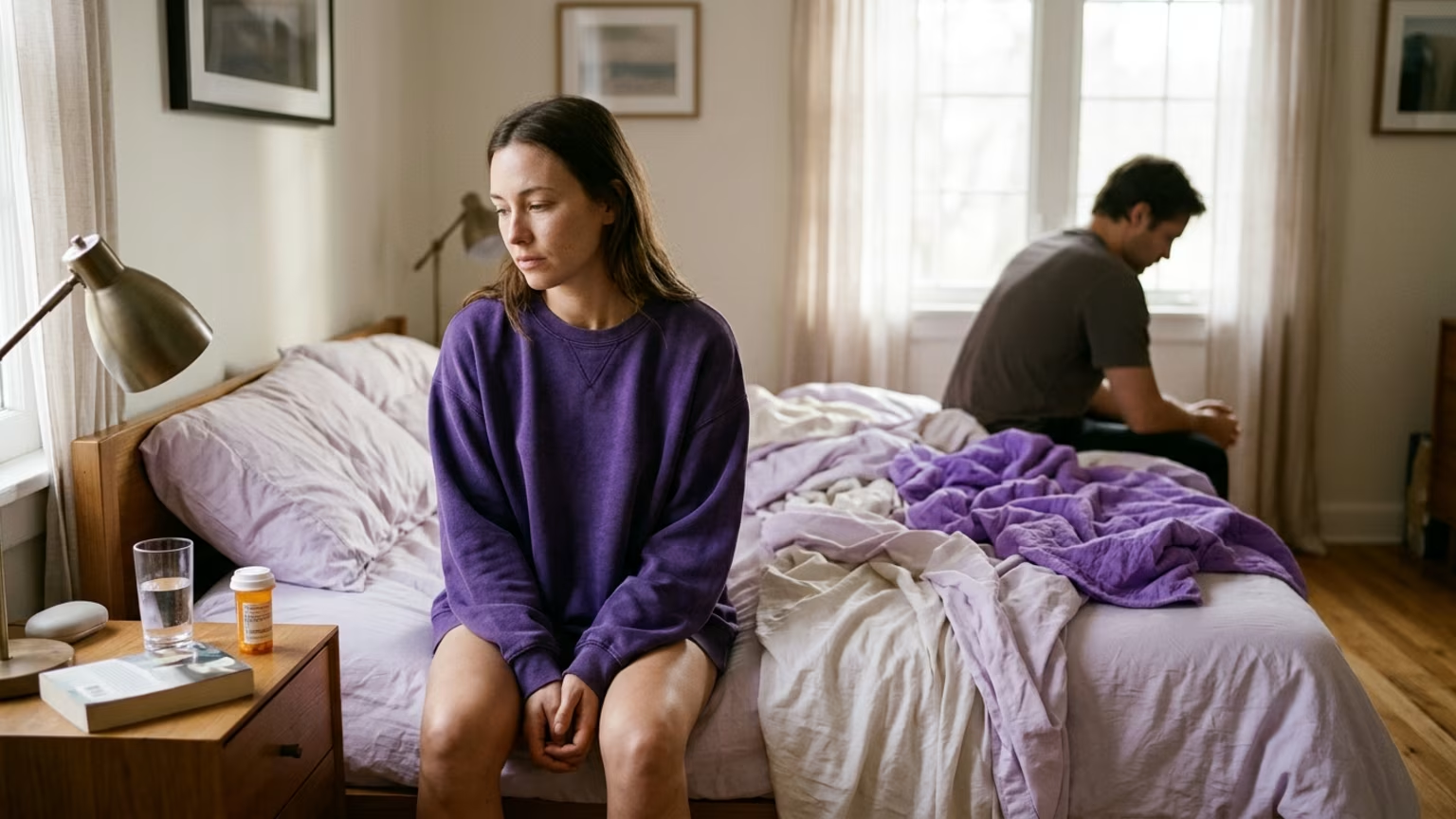
A 2026 review linked SSRIs with orgasmic dysfunction. Read the findings, their limits and what they mean for treatment conversations.


PROTEUS substudy results add context on testosterone recovery and erectile dysfunction after prostate cancer treatment, with key limits and questions for care.
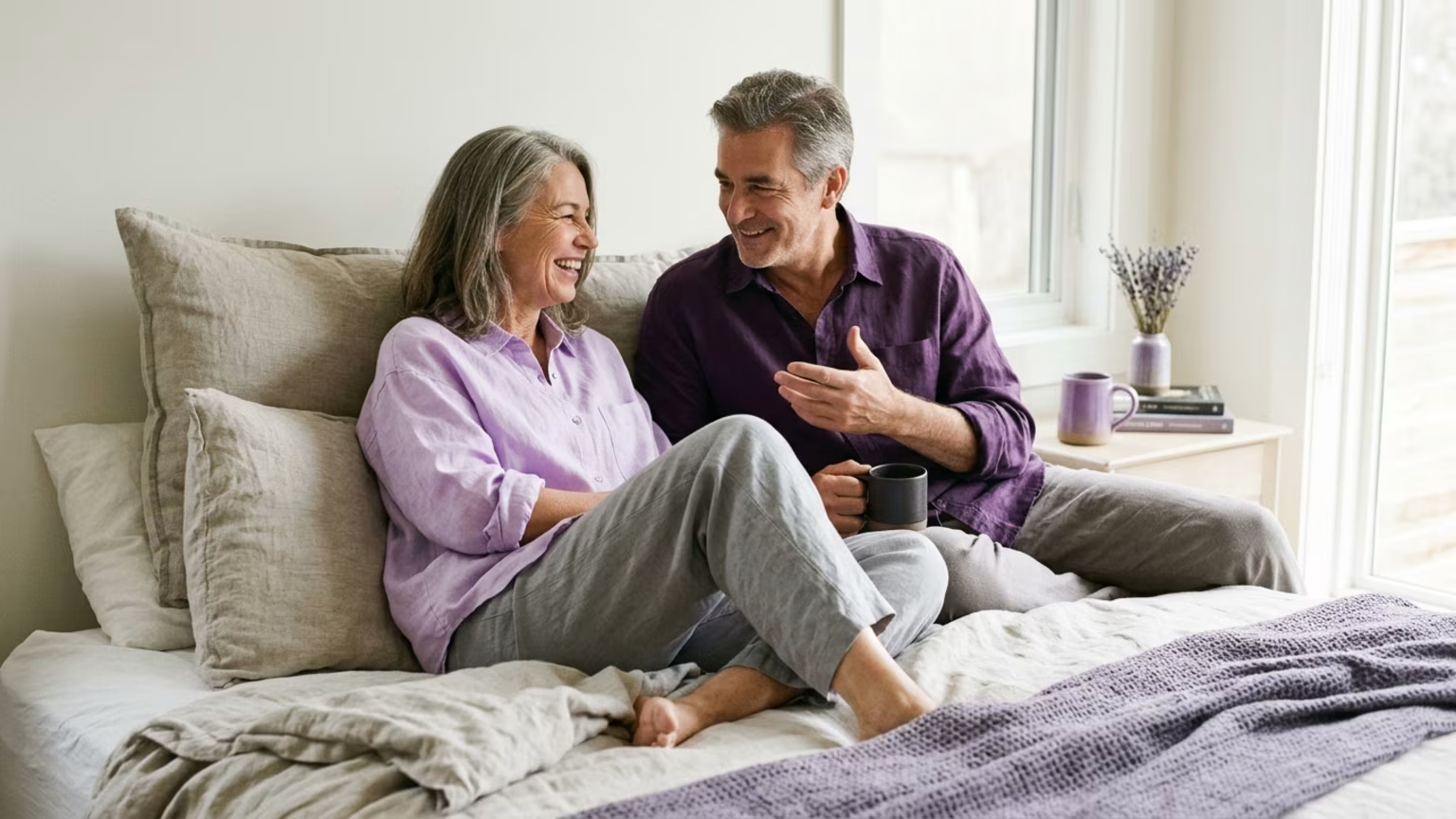
A MsFLASH interview revisits menopause research that measured sexual function alongside sleep, mood and hot flashes. Here is how to interpret its scope.
Explore practical resources on desire, function, hormones, confidence, intimacy and sexual wellbeing.
Read the Blog
