KEEP EXPLORING
Understand what changes, and why
Explore practical resources on desire, function, hormones, confidence, intimacy and sexual wellbeing.
Read the Blog


Understand sexual function and aging through research on activity, satisfaction, health and relationships, without treating averages as a personal timeline.

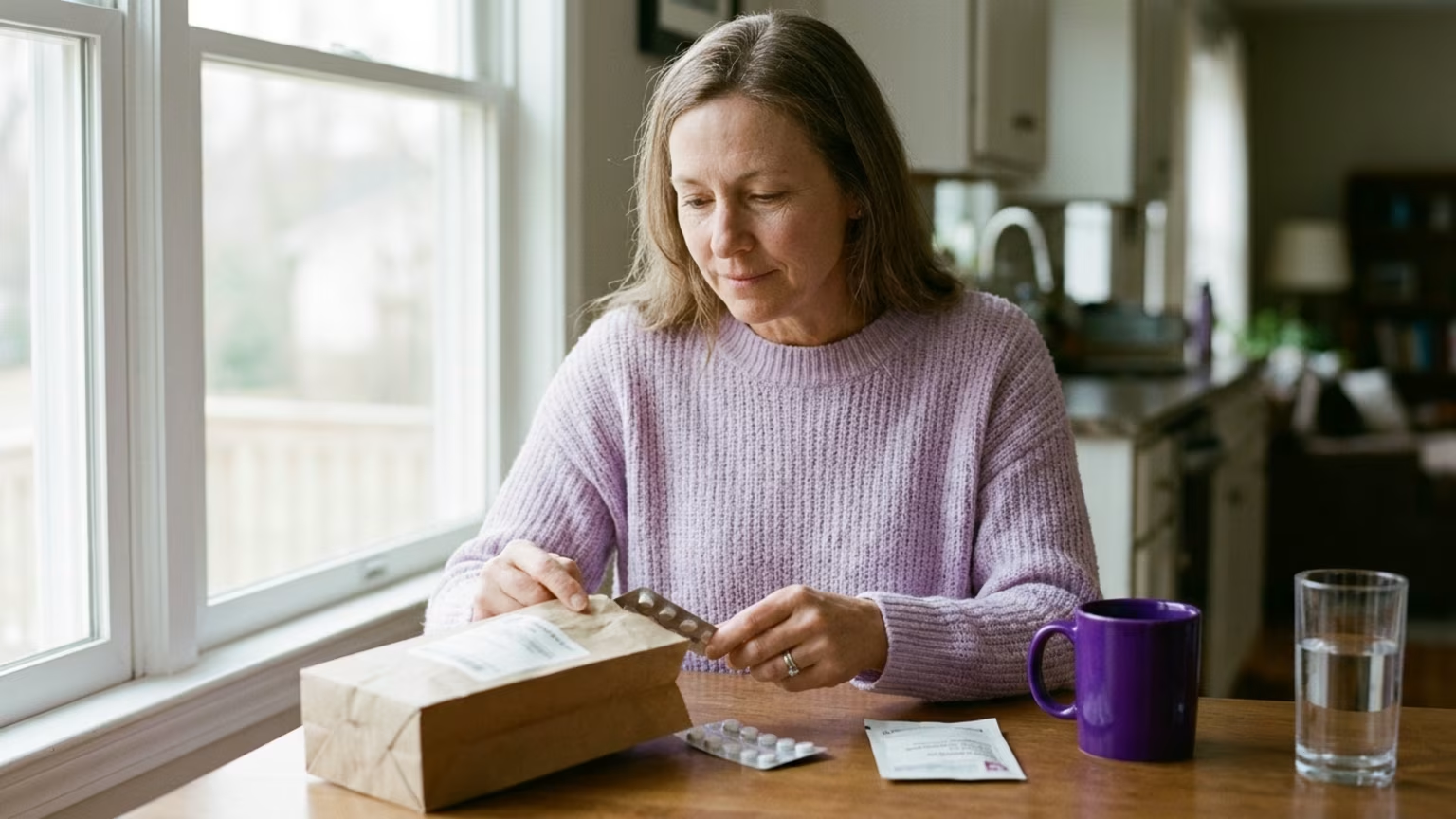
A JAMA study found rising U.S. menopause hormone therapy dispensing. Learn what the figures mean for symptom goals, safety and individual care discussions.
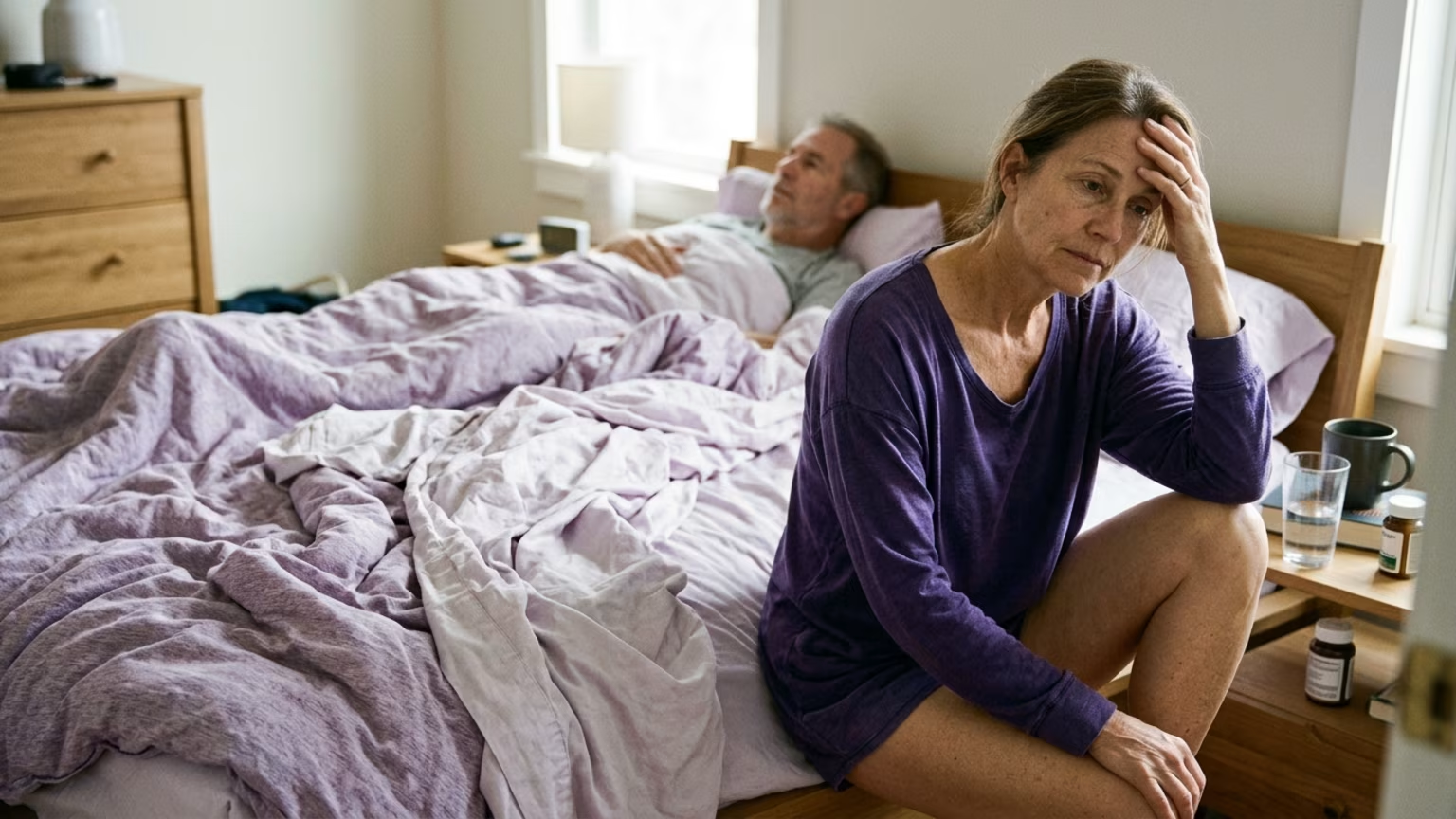
Understand midlife desire changes, possible influences, partner differences and when a personally troubling change deserves medical advice.

Understand menopause-related genital and urinary symptoms, how studies measure sexual function, and which questions can clarify a clinical discussion.

Understand menopause-related vaginal and urinary symptoms, how comfort differs from desire, and when persistent changes deserve medical attention.

Understand the testosterone-label debate through TRAVERSE findings on desire, erections and safety, alongside guidance on diagnosing low testosterone.

BC Women’s Hospital describes varied changes in menopause desire and separates them from dryness and pain. Read the guidance with its limits in view.

A survey of 343 adults examined changes in sexual turn-ons. Read the findings, key limitations and what they mean for conversations about arousal.

Understand possible links between substances and sexual wellbeing, how to notice patterns and when to ask about medicines or persistent changes.

A closer look at the 2022 global sperm-count analysis, its reported declines and its limits for understanding fertility and sexual function.

Wellspring offers questions about comfort and changing intimacy. We examine its advice, evidence limits and the midlife context from Utah State Extension.

Consider midlife desire through comfort, sleep, mood, medication and relationships, with practical questions for a clinician or partner.

Understand how menopause-related dryness and discomfort differ from desire, with questions about symptoms and options to discuss with a healthcare professional.

A clear look at perimenopause research, showing why symptoms, psychological wellbeing and relationships matter alongside hormonal change.

BASHH’s study day account highlights normal desire differences, communication and person-centred care. Here is the context and the evidence limit.

Understand how erection changes differ from low desire, which health and medicine factors matter, and when clinical assessment may help.

Learn how desire, arousal and erections differ, what may influence erectile changes, and how to describe concerns for a clinical conversation.

Compare private reflection with shared conversation when desire changes, with evidence-aware prompts for separating observations from assumptions.
Explore practical resources on desire, function, hormones, confidence, intimacy and sexual wellbeing.
Read the Blog



